
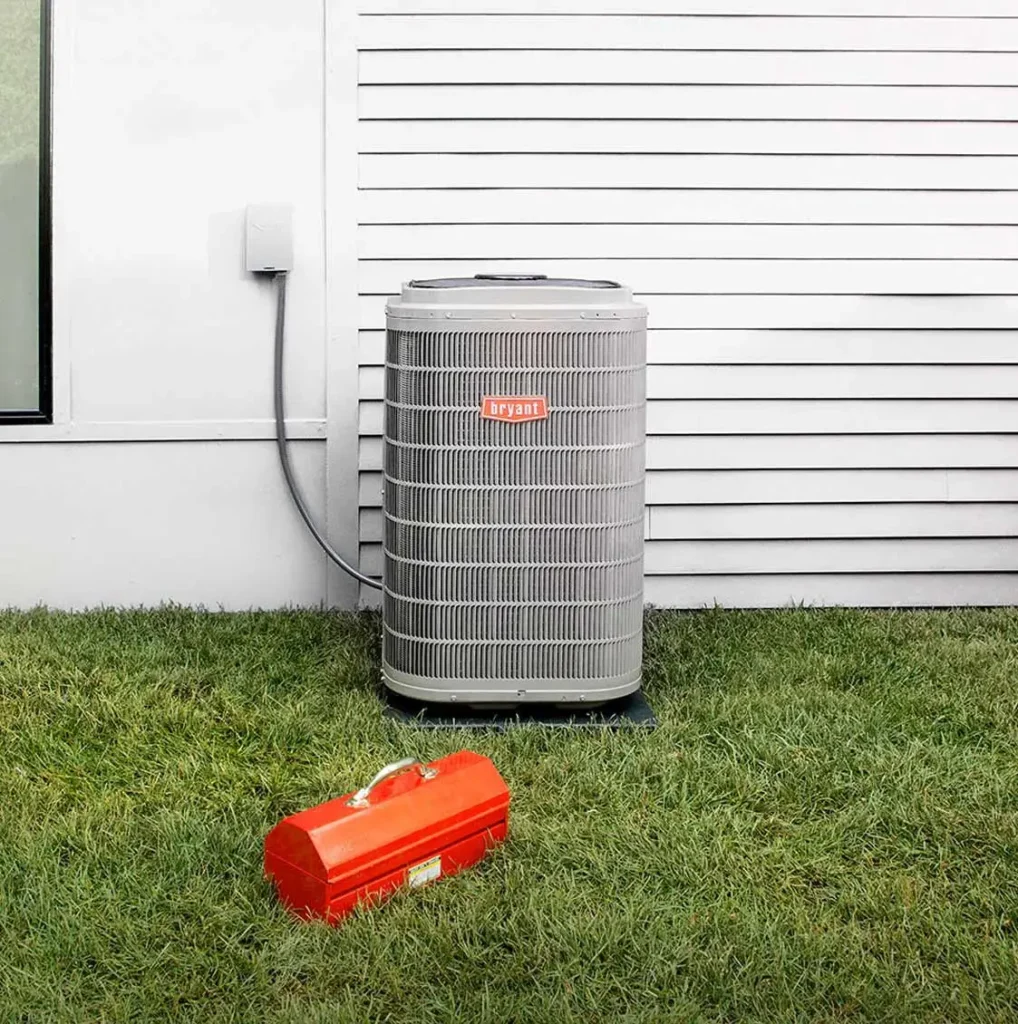
The Often-Overlooked HVAC Tasks That Could Cost Seattle Homeowners Thousands in Emergency Repairs
Living in the Pacific Northwest means relying on your heating and cooling systems nearly year-round. From the damp, chilly winters in Redmond and Kirkland to the increasingly warm summers hitting Bellevue and Lynnwood, your HVAC equipment works harder than most homeowners realize. At All Climate Heating And Air, we have been serving the Greater Seattle area homes and businesses since 1993, and in those decades of experience, we have seen countless emergency repair situations that could have been entirely prevented. The unfortunate truth is that many of these costly breakdowns stem from simple maintenance tasks that homeowners either forget about or assume are unnecessary.
Neglecting Condensate Drain Lines
One of the most commonly ignored components of any HVAC system is the condensate drain line. During both heating and air conditioning service cycles, your system produces moisture that must be properly channeled away from the unit. Over time, algae, mold, and mineral deposits accumulate inside these narrow drain lines, creating blockages that can cause water to back up into your system or overflow into your home. We have responded to emergency calls throughout Mountlake Terrace and Edmonds where a simple clogged drain line caused hundreds or even thousands of dollars in water damage to ceilings, floors, and walls.
Clearing your condensate drain line is a straightforward task during routine maintenance visits. A technician can flush the line, inspect the drain pan for cracks or corrosion, and ensure the safety float switch is functioning properly. When this task goes unaddressed for years, the resulting damage can extend well beyond the HVAC system itself, potentially requiring mold remediation and structural repairs that dwarf the cost of preventive care.
Ignoring Electrical Connection Inspections
Your HVAC system contains dozens of electrical connections, capacitors, contactors, and relays that degrade over time. According to industry data from the Air Conditioning Contractors of America, electrical failures account for roughly 30 percent of all HVAC system breakdowns. Loose connections generate heat, corroded wires increase resistance, and failing capacitors force motors to work harder than designed. Any one of these issues can cascade into a compressor failure or burned-out blower motor, which are among the most expensive heating repair and air conditioning service calls we handle.
During a proper maintenance visit, every electrical connection should be tested, tightened, and inspected for signs of arcing or corrosion. Capacitor readings should be measured against manufacturer specifications, and any component showing degradation should be replaced proactively. Homeowners across Kirkland and Bellevue who invest in this level of detail during routine visits consistently avoid the emergency calls that come with catastrophic electrical failures.
Skipping Refrigerant Level Checks
Many homeowners assume that refrigerant in an air conditioning system never needs attention, but this is a dangerous misconception. Refrigerant does not get consumed like fuel. If levels are low, it means there is a leak somewhere in the system. Running an air conditioner with insufficient refrigerant forces the compressor to work under extreme stress, dramatically shortening its lifespan. Compressor replacement is often the single most expensive repair in residential HVAC, sometimes making full HVAC installation of a new system more economical than repairing the existing one.
We provide quality heating, cooling, and home comfort services that include thorough refrigerant analysis during every maintenance appointment. Catching a slow leak early means a relatively inexpensive repair rather than a complete system replacement down the road.
The Hidden Dangers Homeowners Miss Most Often
Beyond the major items above, several additional tasks frequently fall through the cracks. These might seem minor individually, but collectively they represent significant risk to your system’s longevity and your household budget.
- Blower wheel cleaning removes accumulated dust and debris that cause vibration, bearing wear, and reduced airflow throughout your ductwork
- Heat exchanger inspection detects hairline cracks that can leak carbon monoxide into your living space, creating both a safety hazard and an expensive heating service emergency
- Thermostat calibration ensures your system cycles correctly rather than short-cycling, which accelerates wear on every mechanical component
- Ductwork sealing assessment identifies leaks that force your system to run longer, increasing energy costs by up to 30 percent according to the Department of Energy
- Outdoor unit clearance maintenance prevents vegetation and debris from restricting airflow to your condenser coils, which raises operating temperatures and stresses the compressor
Prevention Is Always More Affordable Than Emergency Response
The pattern we see repeatedly across the Greater Seattle area is homeowners who skip routine maintenance for several consecutive years, then face a sudden system failure during the coldest week of winter or the hottest stretch of summer. Emergency repairs during peak demand periods are more expensive, parts availability can be limited, and scheduling is constrained. At All Climate Heating And Air, we believe in keeping Seattle homes and businesses clean, energy efficient, and comfortable through proactive care rather than reactive crisis management. Investing in comprehensive annual maintenance is the single most effective way to protect your HVAC system and avoid the emergency repair bills that catch so many homeowners off guard.