
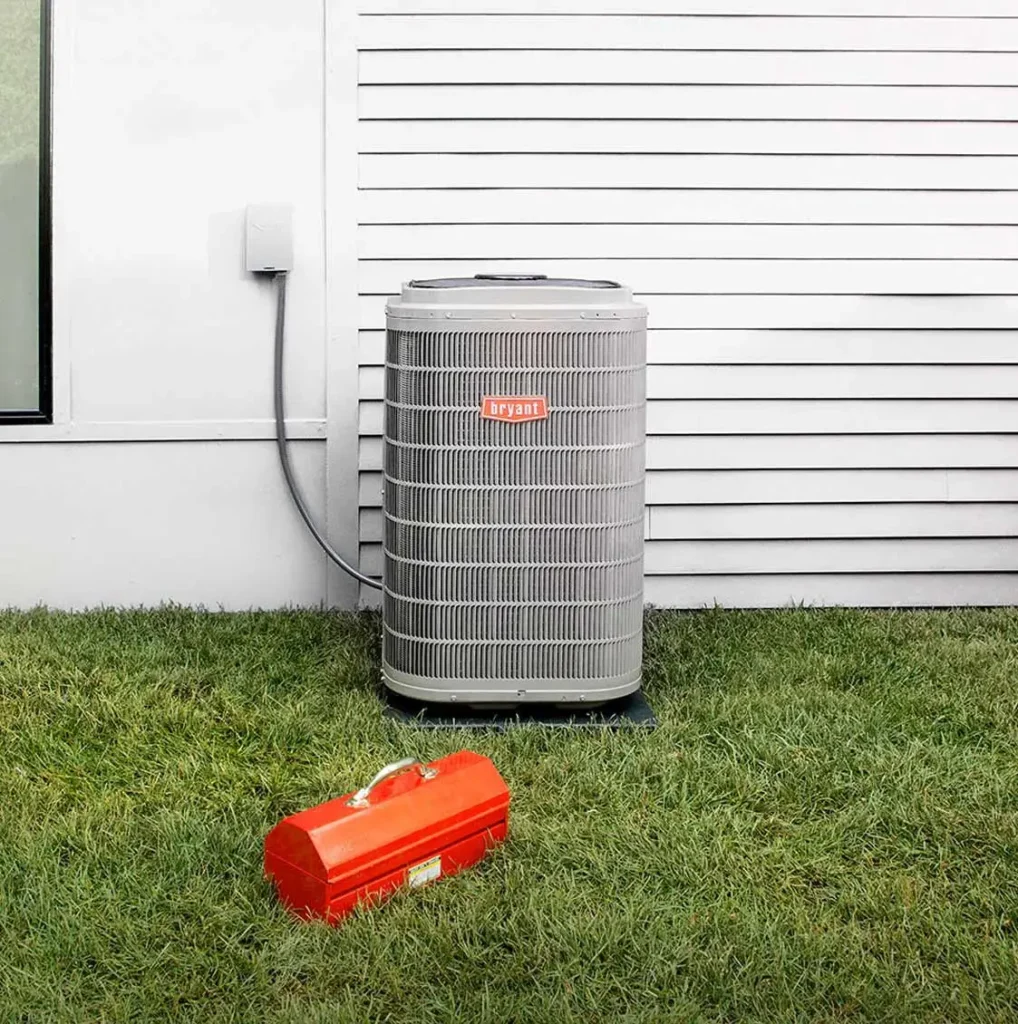
Understanding Tankless Water Heating Technology
Tankless water heaters represent a significant advancement in home comfort technology, providing hot water on demand without the need for a storage tank. Unlike traditional water heaters that continuously heat and reheat water in a large reservoir, tankless systems heat water directly as it flows through the unit. When you turn on a hot water tap, cold water travels through a pipe into the unit where either a gas burner or electric element heats the water instantaneously. This process eliminates standby energy losses associated with storage water heaters, making tankless systems an increasingly popular choice for homeowners throughout Redmond, Kirkland, Bellevue, and the surrounding areas we serve.
The technology behind tankless water heating involves sophisticated flow sensors and temperature controls that work together to deliver consistent hot water at your desired temperature. When water flow is detected, the unit’s control board activates the heating elements or gas burner, rapidly bringing the water to the set temperature. Modern tankless systems can modulate their heating output based on flow rate and incoming water temperature, ensuring optimal performance regardless of seasonal variations in groundwater temperature. This adaptability is particularly valuable in the Pacific Northwest, where incoming water temperatures can vary significantly between summer and winter months.
Energy Efficiency and Cost Savings
One of the most compelling advantages of tankless water heating is the substantial energy savings these systems offer. Traditional tank water heaters typically operate at 60-80% efficiency, while tankless units can achieve efficiency ratings of 95% or higher. This increased efficiency translates directly into lower utility bills, with most households seeing reductions of 20-30% in their water heating costs. Since 1993, we’ve helped countless customers throughout the Greater Seattle area realize these savings while maintaining superior comfort levels in their homes.
The elimination of standby heat loss is a key factor in the superior efficiency of tankless systems. Traditional water heaters must maintain water temperature 24 hours a day, even when no hot water is being used. This constant reheating cycle consumes energy continuously, particularly in cooler locations like garages or basements where many water heaters are installed. Tankless systems only consume energy when hot water is actually needed, making them an ideal solution for energy-conscious homeowners looking to reduce their carbon footprint while maintaining comfort.
Installation Considerations and Requirements
Installing a tankless water heater requires careful consideration of several factors to ensure optimal performance and efficiency. The sizing of the unit is critical and depends on your household’s peak hot water demand, which we calculate based on the number of fixtures and appliances that might operate simultaneously. For homes in Mountlake Terrace, Lynnwood, and Edmonds, we typically recommend units with flow rates between 7-10 gallons per minute, though larger homes or those with multiple bathrooms may require higher capacity units or multiple tankless heaters working in tandem.
Gas-fired tankless water heaters require proper venting and adequate gas supply lines. Many existing homes have gas lines sized for traditional water heaters, which may need upgrading to accommodate the higher BTU requirements of tankless systems during operation. Electric tankless units often require significant electrical service upgrades, as they can demand 100-150 amps during peak operation. Our experienced technicians evaluate your home’s existing infrastructure during the consultation process to determine what modifications might be necessary for a successful installation.
Maintenance & Longevity Advantages of Tankless Water Heaters
With proper care, tankless water heaters routinely last 20+ years—nearly double the 10–12-year lifespan of traditional storage-tank models. This durability makes them an excellent long-term investment, especially for homeowners who plan to stay in their home for the long haul.
To reach that impressive lifespan, regular maintenance is non-negotiable. Here’s what factory-recommended service typically includes:
-
Cleaning or replacing the inlet water filter – Keeps water flowing freely and protects internal parts
-
Inspecting and cleaning air intake & exhaust vents – Ensures safe, efficient combustion and venting
-
Testing safety devices and controls – Confirms everything operates reliably and prevents hazards
-
Combustion analysis – Confirms the burner is operating cleanly and efficiently
-
-
Checking gas lines and pressure (gas models only) – Maintains peak performance
-
Testing the pressure-relief valve (PRV) – Verifies it functions when needed
-
Flushing the condensate drain system – Prevents blockages and corrosion
The Most Important Task: Annual Descaling
The single most critical maintenance step is yearly descaling of the heat exchanger and internal piping. Over time—especially in hard-water areas—minerals build up inside the unit, reducing efficiency and eventually causing permanent damage.
Professional descaling usually takes 45–50 minutes and is billed as an additional service. Skipping it is the fastest way to shorten your tankless heater’s life and increase operating costs.
Bottom line: Invest a little time and money in annual maintenance (especially descaling), and your tankless water heater will reward you with decades of reliable, energy-efficient hot water.
Space Savings and Installation Flexibility
The compact design of tankless water heaters provides significant space-saving advantages over traditional tank systems. Most tankless units mount on a wall and occupy roughly the space of a large suitcase, freeing up valuable floor space in utility rooms, garages, or basements. This compact footprint makes tankless systems particularly attractive for smaller homes, condominiums, or situations where mechanical space is at a premium. We’ve installed these systems in closets, under stairs, and even in attics, demonstrating their remarkable installation flexibility.
Beyond indoor installations, many tankless models are designed for outdoor mounting, completely eliminating the need for indoor mechanical space. Outdoor installation can be particularly advantageous in mild climates or when indoor space is extremely limited. These weatherproof units include freeze protection features that prevent damage during cold weather, though they do consume small amounts of electricity to maintain safe operating temperatures during freezing conditions.
Advanced Features and Smart Home Integration
Modern tankless water heaters incorporate sophisticated control systems that offer convenience and enhanced functionality. Many units now feature digital displays showing water temperature, flow rate, and diagnostic codes that help identify maintenance needs or operational issues. Remote control capabilities allow temperature adjustments from multiple locations within your home, eliminating trips to the mechanical room to adjust settings. Some advanced models even offer smartphone connectivity, enabling you to monitor and control your water heater from anywhere, receive maintenance reminders, and track energy usage patterns.
These smart features contribute to both convenience and efficiency, allowing you to optimize water temperature for different uses and potentially reduce energy consumption further. For instance, you might program lower temperatures during vacation periods or set different temperatures for different times of day based on your household’s usage patterns. All Climate Heating & Air Conditioning stays current with these technological advances, ensuring we can properly install, configure, and service the latest tankless water heating systems for optimal performance and reliability in your home.