Understanding Radiant Heat Boiler Systems
Radiant heat boilers represent one of the most efficient and comfortable heating solutions available for homes throughout the Greater Seattle area. At All Climate Heating & Air Conditioning, we’ve installed and serviced hundreds of these systems across Redmond, Kirkland, Bellevue, and surrounding communities since 1993. Unlike forced-air systems that heat the air and circulate it through ductwork, radiant boiler systems heat water to temperatures typically ranging between 120 and 180 degrees Fahrenheit, then circulate this heated water through a network of pipes installed beneath floors, within walls, or through specially designed radiators. This method of heat distribution creates an even, consistent warmth that radiates upward from floor surfaces or outward from wall-mounted units, eliminating the cold spots and drafts commonly associated with traditional heating methods.
The physics behind radiant heating makes it particularly effective for Pacific Northwest homes. Heat naturally rises, and when it originates from floor level, it creates an optimal temperature gradient throughout living spaces. Your feet stay warm while the air at head level remains slightly cooler, which most people find more comfortable than the top-heavy heat distribution of forced-air systems. This heating method also maintains more consistent humidity levels since it doesn’t rely on moving air that can dry out indoor environments during winter months.
Key Components and Technical Specifications
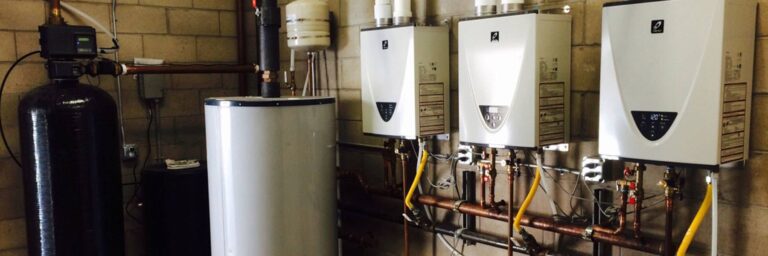
Modern radiant boiler systems consist of several critical components working in harmony to deliver efficient heating. The boiler itself serves as the heart of the system, with high-efficiency condensing models achieving Annual Fuel Utilization Efficiency ratings exceeding 95 percent. We typically recommend and install boilers with modulating burners that adjust their output based on heating demand, reducing energy consumption during milder weather while maintaining full capacity for the coldest days. The circulation pump moves heated water through the distribution system, with variable-speed models offering enhanced efficiency by adjusting flow rates based on zone demands and outdoor temperature conditions.
The distribution manifold acts as a central hub, dividing the heated water flow among different zones throughout your home. Each zone features its own thermostat and control valve, allowing precise temperature management for individual rooms or areas. For in-floor installations, we use either cross-linked polyethylene tubing or synthetic rubber tubing, both offering exceptional durability and heat transfer properties. These materials resist corrosion and can withstand decades of continuous use when properly installed. The expansion tank accommodates water volume changes as the system heats and cools, while the pressure relief valve ensures safe operation by releasing excess pressure if needed. Air eliminators remove trapped air bubbles that could reduce efficiency or create noise within the system.
Installation Methods and Applications
Installing radiant heat boiler systems requires careful planning and expertise to maximize efficiency and comfort. For new construction projects in areas like Mountlake Terrace and Lynnwood, we often recommend hydronic radiant floor heating, where tubing gets embedded directly in concrete slabs or installed beneath subflooring. This method provides exceptional thermal mass, storing heat energy and releasing it slowly for consistent comfort. Retrofit installations in existing homes present different challenges but remain entirely feasible with proper planning. We can install tubing between floor joists, attach aluminum heat transfer plates to enhance performance, or utilize wall-mounted panel radiators in situations where floor access proves impractical.
Commercial applications throughout the Edmonds and Bellevue business districts benefit particularly from radiant boiler systems. Warehouses with high ceilings experience significant energy savings since radiant heat warms people and objects directly rather than trying to heat large volumes of air. Office buildings appreciate the silent operation and absence of air movement that can disturb papers or create uncomfortable drafts. We’ve also installed specialized snow-melt systems for driveways and walkways, using the same boiler technology to circulate glycol solution through outdoor tubing, eliminating dangerous ice buildup during winter storms.
Energy Efficiency and Operating Advantages
Radiant heat boilers offer substantial energy savings compared to conventional heating methods. Because water conducts heat more efficiently than air, these systems can achieve the same comfort level while operating at lower temperatures. We typically set radiant systems to maintain water temperatures 20 to 40 degrees lower than those required for baseboard heating, translating directly into reduced fuel consumption. The absence of ductwork eliminates the energy losses associated with forced-air systems, where up to 30 percent of heated air can escape through leaks and poorly insulated ducts in attics or crawl spaces.
Zone control capabilities further enhance efficiency by heating only occupied areas. Our installations often include programmable thermostats for each zone, allowing homeowners to reduce temperatures in guest rooms or other infrequently used spaces while maintaining comfort in primary living areas. The thermal mass effect of radiant floor heating helps moderate temperature swings, reducing the frequency of boiler cycling and extending equipment life. Many customers report energy savings between 15 and 40 percent after converting from forced-air heating to radiant boiler systems, with exact savings depending on home insulation, previous system efficiency, and usage patterns.
Maintenance Requirements and System Longevity
Proper maintenance ensures radiant boiler systems deliver decades of reliable service. We recommend annual inspections that include:
- Combustion analysis and burner adjustment: ensuring optimal fuel-to-air ratios for maximum efficiency and minimal emissions
- Heat exchanger inspection: checking for signs of corrosion or scale buildup that could reduce heat transfer
- Circulation pump verification: confirming proper flow rates and checking for bearing wear or seal leaks
- Expansion tank testing: verifying proper pre-charge pressure to accommodate system expansion
- Water quality assessment: testing pH levels and checking for dissolved oxygen that could cause corrosion
- Safety control verification: testing pressure relief valves, low water cutoffs, and high limit switches
Between professional service visits, homeowners should monitor system pressure gauges monthly, ensuring readings remain within manufacturer specifications. Bleeding air from radiators or purging zones maintains optimal heat transfer, while keeping the area around the boiler clear ensures proper ventilation for combustion air intake.
Making the Right Choice for Your Home
Selecting radiant heat boilers for your home involves considering various factors beyond initial installation costs. The exceptional comfort provided by radiant heating often becomes the deciding factor for many homeowners who experience the gentle, even warmth these systems provide. Allergy sufferers particularly appreciate the absence of blown air that can circulate dust, pollen, and other airborne irritants throughout living spaces. The silent operation eliminates the whooshing sounds and mechanical noises associated with furnace operation, creating a more peaceful home environment.
At All Climate Heating & Air Conditioning, we evaluate each home’s unique characteristics before recommending specific boiler models and installation approaches. Factors including insulation quality, window efficiency, and architectural features all influence system design and sizing. Our commitment to keeping Seattle homes and businesses clean, energy efficient, and comfortable drives us to stay current with the latest boiler technologies and installation techniques. Whether you’re building a new home, upgrading an aging heating system, or looking to improve comfort and reduce energy costs, radiant heat boilers offer a proven solution that combines efficiency, reliability, and superior comfort for Pacific Northwest living conditions.