
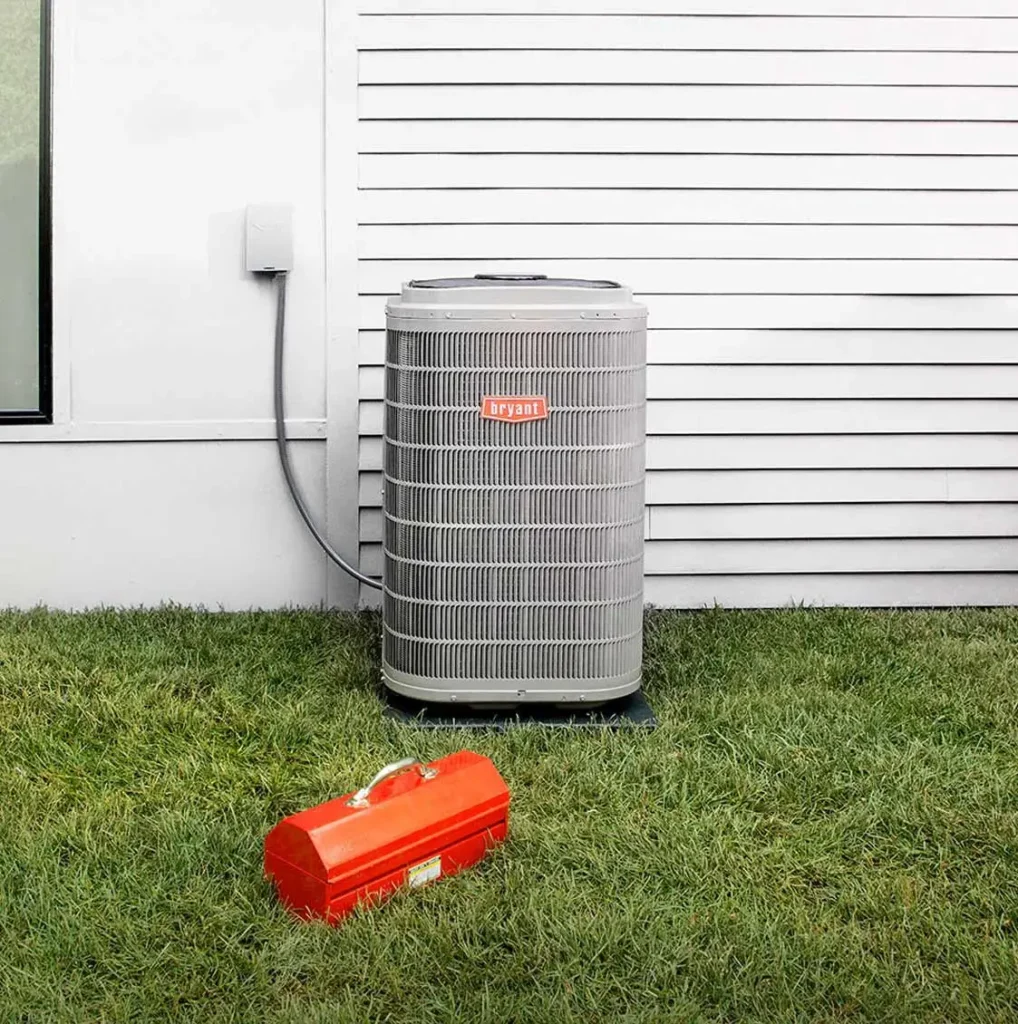
Understanding Heat Pump Technology for Duvall Homes
Heat pumps represent one of the most efficient heating and cooling solutions available for homes in Duvall, WA, and we at All Climate Heating & Air Conditioning have been installing and servicing these systems throughout the Greater Seattle area since 1993. Unlike traditional furnaces that generate heat through combustion, heat pumps transfer thermal energy between your home’s interior and the outdoor environment, providing both heating and cooling capabilities through a single system. This dual functionality makes heat pumps particularly valuable in our Pacific Northwest climate, where temperatures remain relatively moderate throughout the year, allowing these systems to operate at peak efficiency levels that can significantly reduce energy consumption compared to conventional heating methods.
The technology behind heat pumps leverages the refrigeration cycle, similar to how your refrigerator operates, but with the ability to reverse the process seasonally. During winter months, the system extracts heat from outdoor air—even when temperatures drop near freezing—and transfers it inside your home through a series of coils containing refrigerant. In summer, the process reverses, pulling warm air from inside your home and releasing it outdoors, effectively cooling your living spaces. Modern heat pump systems incorporate variable-speed compressors and advanced refrigerants that maintain efficiency even when Duvall experiences those occasional cold snaps that dip into the twenties, ensuring consistent comfort throughout every season.
Energy Efficiency Benefits and Cost Savings
When we install heat pumps in Duvall homes, homeowners typically see substantial reductions in their monthly energy bills, with many systems achieving efficiency ratings of 300-400%, meaning they produce three to four units of heating or cooling energy for every unit of electricity consumed. This remarkable efficiency stems from the fact that heat pumps move existing thermal energy rather than creating it through fuel combustion, making them inherently more economical to operate than electric resistance heating or gas furnaces. Current industry statistics indicate that homeowners switching from electric resistance heating to heat pumps can reduce their heating costs by approximately 50%, while those replacing oil furnaces might see savings exceeding 60% annually.
The environmental benefits of heat pump technology align perfectly with Washington State’s commitment to reducing carbon emissions and promoting sustainable energy practices. Since heat pumps run entirely on electricity and our regional power grid increasingly relies on renewable sources like hydroelectric power, installing a heat pump system substantially reduces your home’s carbon footprint compared to fossil fuel-based heating systems. Additionally, modern heat pumps eliminate the need for natural gas connections, removing concerns about carbon monoxide exposure and gas leaks while contributing to improved indoor air quality that keeps Seattle homes and businesses clean, energy efficient, and comfortable.
Types of Heat Pump Systems for Different Home Configurations
We specialize in installing various heat pump configurations to accommodate the diverse architectural styles and heating requirements found throughout Duvall’s neighborhoods. Air-source heat pumps remain the most popular choice, offering excellent performance in our climate while requiring minimal installation modifications to existing ductwork. These systems include both ducted models that distribute conditioned air through traditional vent systems and ductless mini-split options that provide targeted comfort control for individual rooms or zones within your home.
Ground-source or geothermal heat pumps represent another option we install, particularly for properties with adequate yard space for underground loop installation. These systems extract consistent temperatures from beneath the earth’s surface, maintaining exceptional efficiency even during extreme weather events. While geothermal installations require higher upfront investment, they typically deliver the lowest operating costs and longest equipment lifespans, often exceeding 25 years for indoor components. Hybrid heat pump systems combine electric heat pump technology with backup gas furnaces, automatically switching between energy sources based on outdoor temperatures and utility rates to optimize both comfort and operating costs throughout the year.
Installation Considerations and Professional Service Requirements
Proper heat pump installation requires careful assessment of your home’s specific heating and cooling loads, existing insulation levels, and electrical service capacity to ensure optimal system performance and longevity. Our technicians perform comprehensive load calculations that account for factors including window orientation, ceiling heights, insulation values, and occupancy patterns to determine the appropriate equipment size for your Duvall home. Oversized systems cycle frequently, reducing efficiency and comfort while potentially causing humidity problems, whereas undersized units run continuously without adequately heating or cooling your spaces.
- Electrical service evaluation: Most heat pump installations require 240-volt circuits and may necessitate electrical panel upgrades
- Ductwork assessment: Existing ducts need inspection for leaks, proper sizing, and insulation adequacy
- Refrigerant line routing: Careful planning ensures minimal visual impact while maintaining proper drainage
- Thermostat compatibility: Smart thermostats optimize heat pump operation through features like adaptive recovery and auxiliary heat lockout
- Sound considerations: Strategic outdoor unit placement minimizes noise impact on living spaces and neighboring properties
Maintenance and Long-Term Performance
Regular maintenance ensures your heat pump system continues delivering reliable, efficient comfort throughout its service life, which typically spans 15-20 years with proper care. We recommend scheduling professional maintenance visits twice annually, ideally during spring and fall transitions when heating and cooling demands remain moderate. These service appointments include cleaning or replacing air filters, checking refrigerant levels, inspecting electrical connections, lubricating moving components, and verifying proper defrost cycle operation during winter months.
Between professional service visits, homeowners can perform simple maintenance tasks that significantly impact system performance and efficiency. Keeping outdoor units clear of vegetation, snow, and debris ensures adequate airflow for heat exchange processes. Indoor components benefit from regular filter changes, typically monthly during peak usage periods, preventing dust accumulation that restricts airflow and forces systems to work harder. Monitoring your heat pump’s operation for unusual sounds, reduced airflow, or inconsistent temperatures helps identify potential issues before they develop into costly repairs, ensuring continuous comfort while maintaining the energy efficiency that makes heat pumps such valuable investments for Duvall homeowners seeking sustainable, cost-effective climate control solutions that provide quality heating, cooling, and home comfort services year-round.