
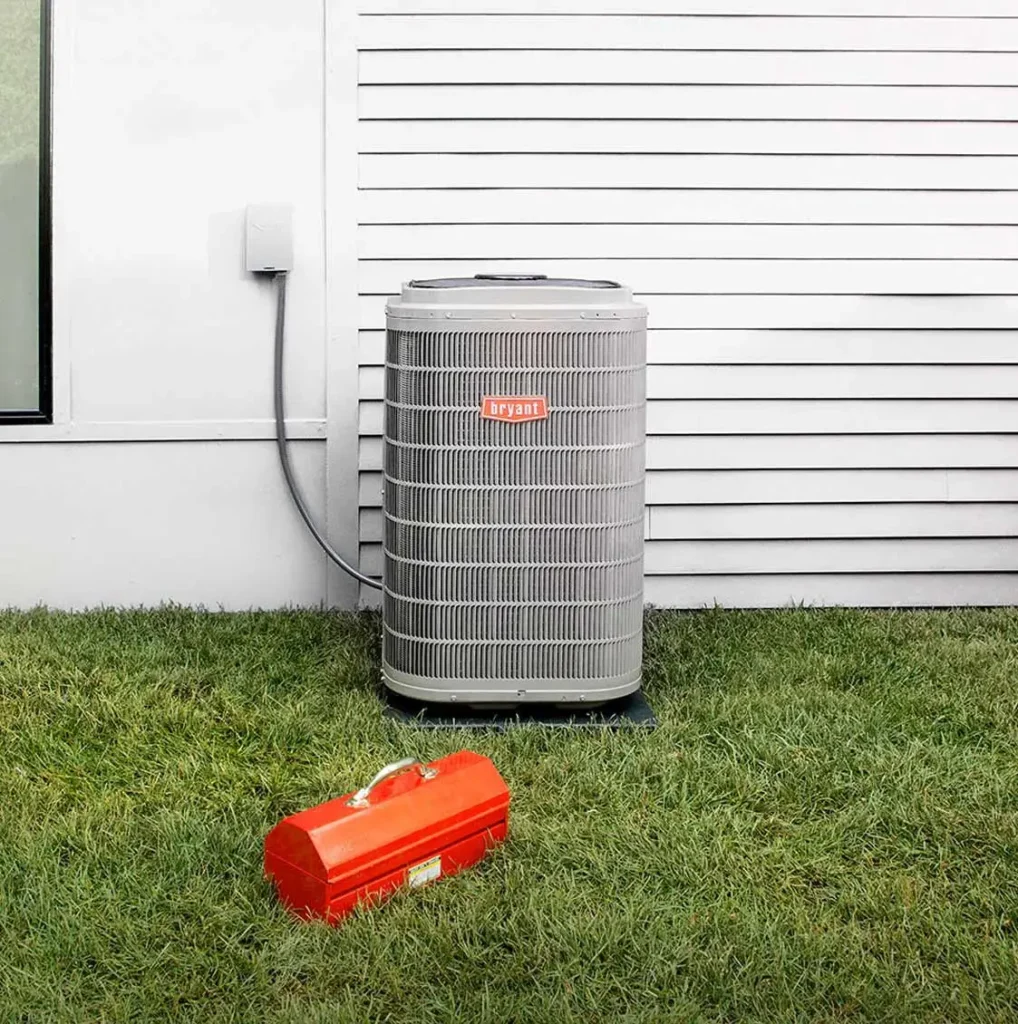
Understanding When Your Heating System Needs Replacement in Duvall
Your heating system plays a crucial role in maintaining comfort throughout the cold, damp winters that characterize the Pacific Northwest. When temperatures drop and rain becomes a daily occurrence, a reliable heating system isn’t just about comfort—it’s about maintaining a healthy, livable environment for your family. At All Climate Heating & Air Conditioning, we understand that recognizing when your system requires replacement rather than repair can save you significant money and prevent unexpected breakdowns during the coldest months of the year.
The average heating system in Duvall faces unique challenges due to our climate’s high humidity levels and temperature fluctuations. Systems typically last between 15 to 20 years with proper maintenance, though environmental factors and usage patterns significantly impact this timeline. When your system approaches this age range, several indicators suggest replacement might be more economical than continued repairs. Rising energy bills despite consistent usage patterns often signal declining efficiency, as older systems work harder to maintain desired temperatures. Frequent repairs becoming increasingly expensive, unusual noises like grinding or squealing, and uneven heating throughout your home all point toward the need for a comprehensive heating replacement solution.
Modern Heating Technology Options for Duvall Homes
The heating technology landscape has evolved dramatically over recent years, offering homeowners in Duvall numerous efficient options that weren’t available when older systems were installed. Heat pumps have gained tremendous popularity in our region, particularly dual-fuel systems that combine electric heat pump technology with gas furnace backup. These systems excel in our moderate climate, extracting heat from outdoor air even when temperatures drop into the 30s, then seamlessly switching to gas heating during extreme cold snaps. This technology can reduce heating costs by up to 50% compared to traditional electric resistance heating.
High-efficiency gas furnaces represent another excellent option for Duvall residents, with modern units achieving Annual Fuel Utilization Efficiency ratings of 95% or higher. These systems incorporate advanced features like variable-speed blowers and modulating gas valves that adjust output based on heating demand, maintaining consistent temperatures while minimizing energy consumption. Since 1993, we’ve installed countless systems throughout the Greater Seattle area, witnessing firsthand how these technological advances translate into real comfort and savings for homeowners. Electric furnaces, while less common, provide reliable heating for homes without natural gas access, and modern models include features like programmable thermostats and zoned heating capabilities that maximize efficiency.
The Comprehensive Replacement Process
Our heating replacement process begins with a thorough evaluation of your home’s specific heating requirements. We calculate heat load requirements based on your home’s square footage, insulation levels, window quality, and architectural features. This detailed analysis ensures your new system is properly sized—neither too small to maintain comfort nor oversized, which causes short cycling and reduced efficiency. We examine existing ductwork for leaks, blockages, or design issues that might compromise your new system’s performance, addressing these concerns before installation begins.
The actual replacement process typically spans one to two days, depending on system complexity and any necessary modifications to accommodate new equipment. We begin by safely disconnecting and removing your old system, following environmental regulations for proper disposal or recycling of components. Installation involves precise placement of the new unit, ensuring proper clearances for airflow and maintenance access. We meticulously connect electrical components, gas lines when applicable, and integrate the system with existing or upgraded thermostats. Our technicians test every aspect of the new system, verifying proper operation, checking for gas leaks, measuring airflow, and calibrating controls for optimal performance.
Energy Efficiency Considerations and Long-term Savings
Energy efficiency stands at the forefront of heating replacement decisions, particularly given rising utility costs and environmental concerns. Modern heating systems offer remarkable efficiency improvements over units installed just a decade ago. The Seasonal Energy Efficiency Ratio and Heating Seasonal Performance Factor ratings provide standardized measurements for comparing system efficiency. In Washington State, where electricity often comes from renewable sources, high-efficiency electric systems increasingly make economic and environmental sense.
- Variable-speed technology: adjusts system output to match heating demands, reducing energy waste and improving comfort
- Smart thermostat integration: enables precise temperature control and scheduling, potentially reducing heating costs by 20% or more
- Zoned heating capabilities: allow different areas of your home to maintain different temperatures, eliminating waste in unused spaces
Financial incentives further enhance the value proposition of upgrading to high-efficiency heating equipment. Utility companies throughout the Puget Sound region offer rebates for qualifying systems, sometimes covering several hundred dollars of installation costs. Federal tax credits for certain high-efficiency systems can provide additional savings, making the investment in quality equipment more accessible. We help navigate these programs, ensuring you maximize available incentives while selecting equipment that best serves your long-term needs.
Maintenance Requirements for New Systems
A new heating system represents a significant investment in your home’s comfort and value, making proper maintenance essential for protecting this investment. Modern systems require less frequent maintenance than older units, but regular service remains crucial for maintaining efficiency and preventing premature failure. Annual professional inspections identify potential issues before they develop into costly problems, while routine filter changes—typically monthly during heating season—maintain proper airflow and indoor air quality.
We provide comprehensive maintenance services that keep Seattle homes and businesses clean, energy efficient, and comfortable year-round. Our maintenance programs include thorough system cleaning, component inspection, performance testing, and minor adjustments that optimize operation. Regular maintenance extends equipment life, maintains manufacturer warranty coverage, and ensures your system operates at peak efficiency throughout its service life. Documentation of professional maintenance also provides valuable records for warranty claims and can increase your home’s appeal to potential buyers.
Making the Right Replacement Decision
Deciding between repair and replacement requires careful consideration of multiple factors beyond immediate cost. While repairs might seem economical initially, frequent service calls, declining efficiency, and the risk of complete failure during peak heating season often make replacement the wiser long-term choice. We help evaluate these factors objectively, providing transparent assessments that empower informed decisions about your home’s heating future.
Timing your replacement strategically can yield significant advantages. Spring and fall typically offer ideal conditions for installation, avoiding emergency situations during extreme weather. Planning replacement before complete system failure allows time for researching options, securing financing if needed, and scheduling installation at your convenience. Our experience serving the Greater Seattle area since 1993 has taught us that proactive replacement typically costs less than emergency replacement, while providing the opportunity to select optimal equipment rather than accepting whatever’s immediately available. Quality heating replacement enhances your home’s comfort, reduces operating costs, improves reliability, and contributes to better indoor air quality through advanced filtration options available with modern systems.