
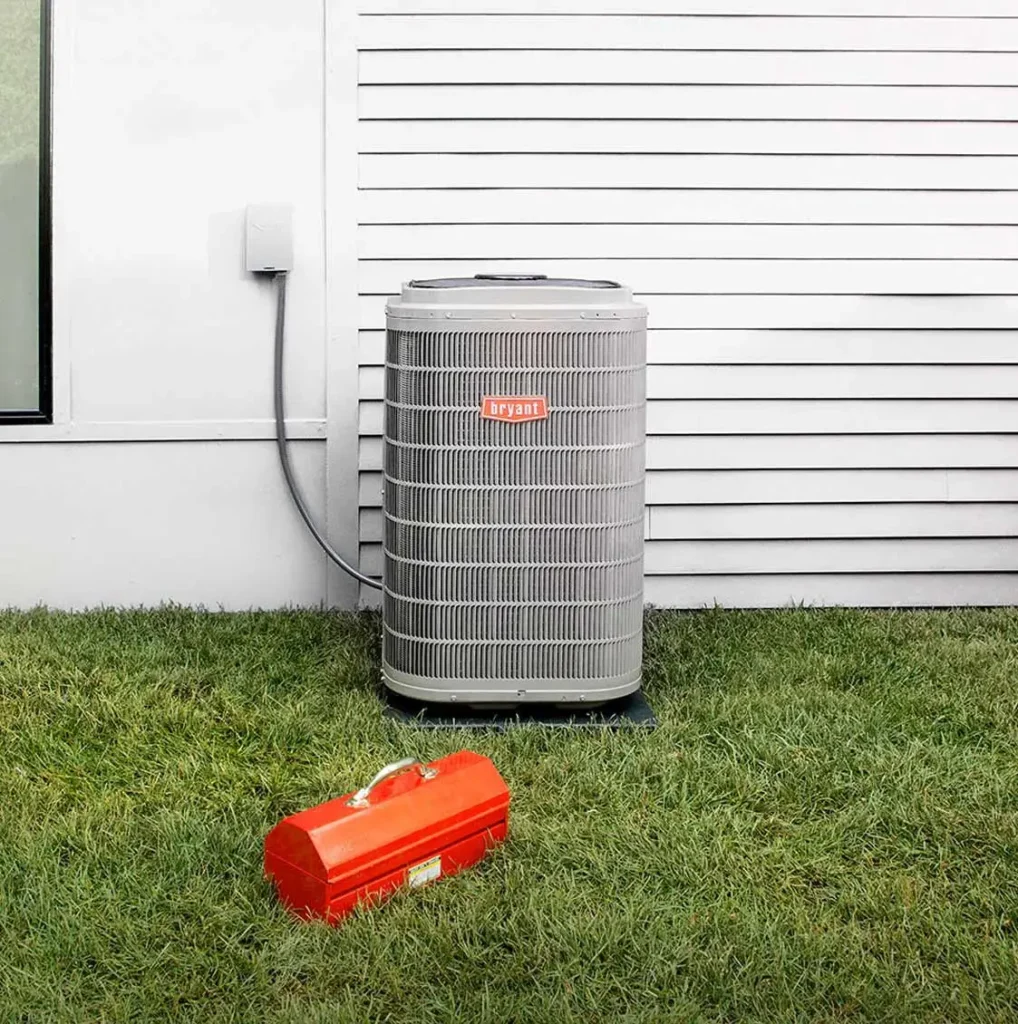
Essential HVAC Tools Every Seattle Homeowner Should Have for Basic Maintenance and Emergency Situations
Living in the Pacific Northwest presents unique challenges for maintaining your home’s heating and cooling systems. Seattle’s mix of wet winters, occasional summer heat waves, and consistently high humidity means your HVAC system works differently than systems in other regions. Having the right tools on hand can mean the difference between a quick fix and an expensive emergency service call. At All Climate Heating And Air, we’ve been helping homeowners throughout Redmond, Kirkland, Bellevue, and the greater Seattle area maintain their systems since 1993, and we know which tools make the biggest difference in keeping your home comfortable year-round.
Understanding which tools to keep in your home toolkit isn’t just about saving money on service calls. It’s about being prepared when your heating fails during a January cold snap or your air conditioning struggles during those increasingly common summer heat waves. The maritime climate in areas like Lynnwood, Edmonds, and Mountlake Terrace creates specific maintenance needs that differ from other regions, making certain tools particularly valuable for local homeowners.
Basic Diagnostic and Safety Tools
The foundation of any HVAC maintenance toolkit starts with proper diagnostic equipment. A digital thermometer proves invaluable for checking temperature differentials across your system. You should measure the air temperature entering your return vents and compare it to the temperature at your supply registers. During cooling season, you’re looking for a 15-to-20-degree difference, while heating systems typically produce a 30-to-40-degree differential. These measurements help you identify when your system isn’t performing efficiently, allowing you to address issues before they become major problems.
A non-contact voltage tester represents another critical safety tool that every homeowner should own. Before performing any maintenance on your HVAC system, you need to verify that power has been completely disconnected. These testers detect electrical current without requiring direct contact with wires, significantly reducing the risk of electrical shock. Additionally, keeping a quality flashlight or headlamp ensures you can properly inspect dark furnace compartments, attic air handlers, and crawl space equipment. LED models with magnetic bases prove particularly useful, as they free both hands for working while providing bright, focused illumination in tight spaces.
Filtration and Airflow Management Tools
Proper airflow remains the lifeblood of efficient HVAC operation, and maintaining it requires specific tools. A manometer, while more advanced, helps measure static pressure in your ductwork. High static pressure indicates restrictions that force your system to work harder, increasing energy consumption and accelerating wear on components. Even basic models can identify when ductwork needs professional cleaning or when filters require more frequent replacement.
- Filter sizing tape measure: Accurate measurements ensure you purchase correct replacement filters
- Filter rack brush: Removes accumulated dust and debris from filter housing
- Duct inspection mirror: Allows visual inspection of ductwork condition without dismantling
- Airflow meter: Measures cubic feet per minute at registers to identify weak spots
Cleaning and Maintenance Equipment
Regular cleaning prevents the buildup of contaminants that reduce efficiency and indoor air quality. A coil cleaning brush specifically designed for HVAC fins allows gentle cleaning without damaging delicate aluminum components. These brushes feature soft bristles that remove dust and debris while straightening bent fins that restrict airflow. Combined with a shop vacuum equipped with brush attachments, you can maintain clean evaporator and condenser coils between professional services.
Condensate drain issues cause significant water damage in Seattle homes, particularly during our humid months when air conditioning systems generate substantial moisture. A wet-dry vacuum proves essential for clearing clogged condensate lines. You’ll also need a condensate pan treatment tablets to prevent algae growth that commonly blocks these drains. Having these tools ready prevents water overflow that can damage ceilings, walls, and flooring while potentially creating mold problems in our moisture-prone climate.
Emergency Response Tools
When heating fails during winter storms or cooling systems quit during heat waves, having emergency tools available becomes crucial. A portable carbon monoxide detector provides critical safety monitoring if you suspect furnace problems. These battery-powered units offer peace of mind when troubleshooting heating issues, especially in older homes where ventilation might be compromised.
Circuit breaker identifiers help quickly locate and reset tripped breakers that commonly cause HVAC shutdowns. These tools save time during emergencies by eliminating guesswork about which breaker controls your heating or cooling system. Additionally, keeping spare capacitors for your specific system model enables quick replacement of this common failure point. Capacitors frequently fail during extreme temperatures when systems work hardest, and having replacements available can restore operation within minutes rather than waiting days for professional service.
At All Climate Heating And Air, we believe educated homeowners make better decisions about their home comfort systems. While these tools enable basic maintenance and emergency response, they complement rather than replace professional service. Regular professional maintenance remains essential for keeping Seattle homes and businesses clean, energy efficient, and comfortable throughout our challenging climate conditions.