
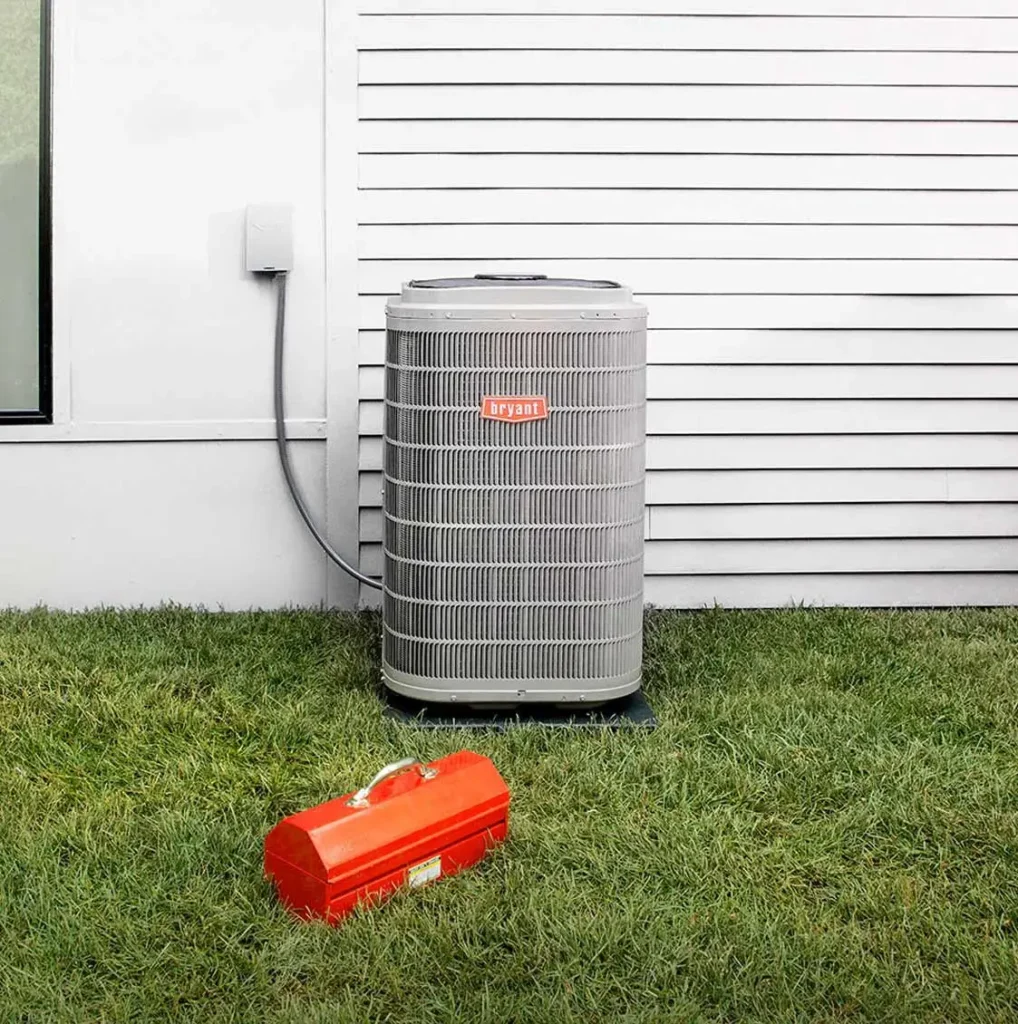
Commercial HVAC Systems and Solutions for Your Business
When managing a commercial facility in the Greater Seattle area, maintaining optimal indoor climate control requires specialized equipment designed to handle the unique demands of business environments. At All Climate Heating & Air Conditioning, we understand that commercial HVAC products must deliver consistent performance, energy efficiency, and reliability across diverse applications ranging from small retail spaces to large industrial complexes. Since 1993, we’ve been installing and maintaining commercial heating and cooling systems throughout Redmond, Kirkland, Bellevue, and surrounding communities, helping businesses create comfortable environments for employees and customers while managing operational costs effectively.
Commercial HVAC systems differ fundamentally from residential units in scale, complexity, and functionality. These systems typically incorporate modular designs that allow for zone-based climate control, advanced filtration capabilities, and integration with building management systems. The equipment we install includes rooftop units, split systems, variable refrigerant flow systems, and packaged units, each engineered to meet specific commercial requirements while adhering to stringent efficiency standards and local building codes.
Rooftop Units and Packaged Systems
Rooftop units represent one of the most popular commercial HVAC solutions we install across Mountlake Terrace, Lynnwood, and Edmonds businesses. These self-contained systems combine heating and cooling components in a single cabinet installed on the building’s roof, maximizing interior space while providing powerful climate control. Modern rooftop units feature variable-speed compressors and fans that adjust output based on real-time demand, reducing energy consumption by up to 30% compared to older constant-speed models. The units we recommend typically range from 3 to 50 tons of cooling capacity, with some installations requiring multiple units to adequately serve larger facilities.
Packaged systems offer similar benefits with ground-level installation options, making them ideal for businesses without suitable roof access or those requiring easier maintenance accessibility. These systems incorporate heat exchangers, evaporator coils, compressors, and air handlers within a weatherproof cabinet. Advanced models include economizer controls that utilize outdoor air for free cooling when conditions permit, further reducing operating costs during Seattle’s mild spring and fall seasons. We often recommend these systems for warehouses, retail stores, and light manufacturing facilities where simplified installation and maintenance access provide operational advantages.
Variable Refrigerant Flow Technology
Variable refrigerant flow systems have revolutionized commercial climate control by enabling simultaneous heating and cooling in different building zones. This technology proves particularly valuable in office buildings, hotels, and healthcare facilities where individual room control enhances occupant comfort and satisfaction. VRF systems utilize sophisticated controls to modulate refrigerant flow precisely where needed, achieving efficiency ratings exceeding 20 SEER and 10 HSPF in many applications. The ability to recover heat from cooling operations and redirect it to areas requiring warming makes these systems exceptionally efficient during Seattle’s transitional seasons.
Installation complexity requires careful planning and expertise, as refrigerant piping networks must be properly sized and configured to ensure optimal performance. We design these systems using advanced load calculation software that considers building orientation, occupancy patterns, and equipment heat loads to determine appropriate capacity and zoning strategies. The compact indoor units connect to outdoor condensing units through small-diameter refrigerant lines, minimizing structural modifications and preserving architectural aesthetics.
Energy Recovery Ventilation Systems
Indoor air quality has become increasingly important in commercial environments, particularly following recent global health concerns. Energy recovery ventilators we install help businesses maintain healthy indoor environments while minimizing the energy penalty associated with increased ventilation rates. These systems transfer heat and moisture between exhaust and supply air streams, pre-conditioning incoming fresh air to reduce the load on primary HVAC equipment. In typical Seattle commercial applications, ERV systems can recover 70-80% of the energy from exhaust air, substantially reducing heating and cooling costs while meeting or exceeding ASHRAE ventilation standards.
Integration with existing HVAC infrastructure requires careful consideration of airflow patterns, pressure relationships, and control sequences. We configure these systems to operate in conjunction with demand-controlled ventilation strategies, using CO2 sensors to modulate fresh air intake based on actual occupancy levels. This approach ensures adequate ventilation during peak periods while avoiding energy waste during low-occupancy times.
Commercial HVAC Control Systems and Automation
Modern commercial HVAC products incorporate sophisticated control capabilities that optimize performance while providing detailed operational insights. Building automation systems we install enable centralized monitoring and control of multiple HVAC units, allowing facility managers to adjust setpoints, schedule operations, and respond to maintenance alerts from a single interface. These systems collect performance data continuously, identifying trends that indicate potential issues before they result in equipment failure or comfort complaints.
- Programmable scheduling automatically adjusts temperature setpoints based on occupancy patterns, reducing energy consumption during unoccupied periods
- Demand response capabilities allow participation in utility programs that provide financial incentives for reducing consumption during peak demand periods
- Remote access features enable monitoring and adjustment from any internet-connected device, facilitating rapid response to comfort issues or equipment alarms
Maintenance Considerations for Commercial Equipment
Commercial HVAC products require regular maintenance to maintain peak efficiency and extend equipment life. We develop customized maintenance programs tailored to each facility’s specific equipment and operational requirements. Filter replacement frequencies vary based on environmental conditions and system usage, with some high-traffic facilities requiring monthly changes while others operate effectively with quarterly replacements. Coil cleaning, belt adjustments, and refrigerant charge verification represent critical maintenance tasks that prevent performance degradation and premature component failure.
Predictive maintenance technologies increasingly complement traditional preventive maintenance approaches. Vibration analysis identifies bearing wear in motors and fans before catastrophic failure occurs. Thermal imaging reveals hot spots indicating electrical problems or mechanical friction. These diagnostic tools help minimize unexpected downtime while optimizing maintenance expenditures.
Commercial HVAC products continue evolving to meet increasingly stringent efficiency standards and environmental regulations. Understanding available options and selecting appropriate equipment requires expertise in system design, load calculations, and integration requirements. At All Climate Heating & Air Conditioning, we combine decades of experience serving Greater Seattle businesses with comprehensive knowledge of current technologies to deliver solutions that balance performance, efficiency, and value for each unique application.