
Understanding Heat Pump Technology in Brier’s Climate
Heat pumps have revolutionized home comfort in the Pacific Northwest, and nowhere is this more evident than in Brier, WA. These versatile systems work by transferring heat rather than generating it through combustion, making them incredibly efficient for our moderate climate. During winter months, heat pumps extract warmth from outdoor air—even when temperatures drop to near freezing—and concentrate it inside your home. When summer arrives, the process reverses, pulling heat from indoor spaces and releasing it outside, providing efficient cooling without the need for separate air conditioning equipment.
At All Climate Heating & Air Conditioning, we’ve installed hundreds of heat pump systems throughout Brier since 1993, witnessing firsthand how this technology adapts perfectly to our unique weather patterns. The mild winters and warm summers create ideal conditions for heat pump operation, allowing these systems to maintain optimal efficiency year-round. Modern heat pumps can achieve efficiency ratings of 300-400%, meaning they produce three to four units of heating or cooling energy for every unit of electricity consumed. This remarkable efficiency translates directly into lower utility bills and reduced environmental impact for homeowners throughout the community.
Types of Heat Pump Systems Available
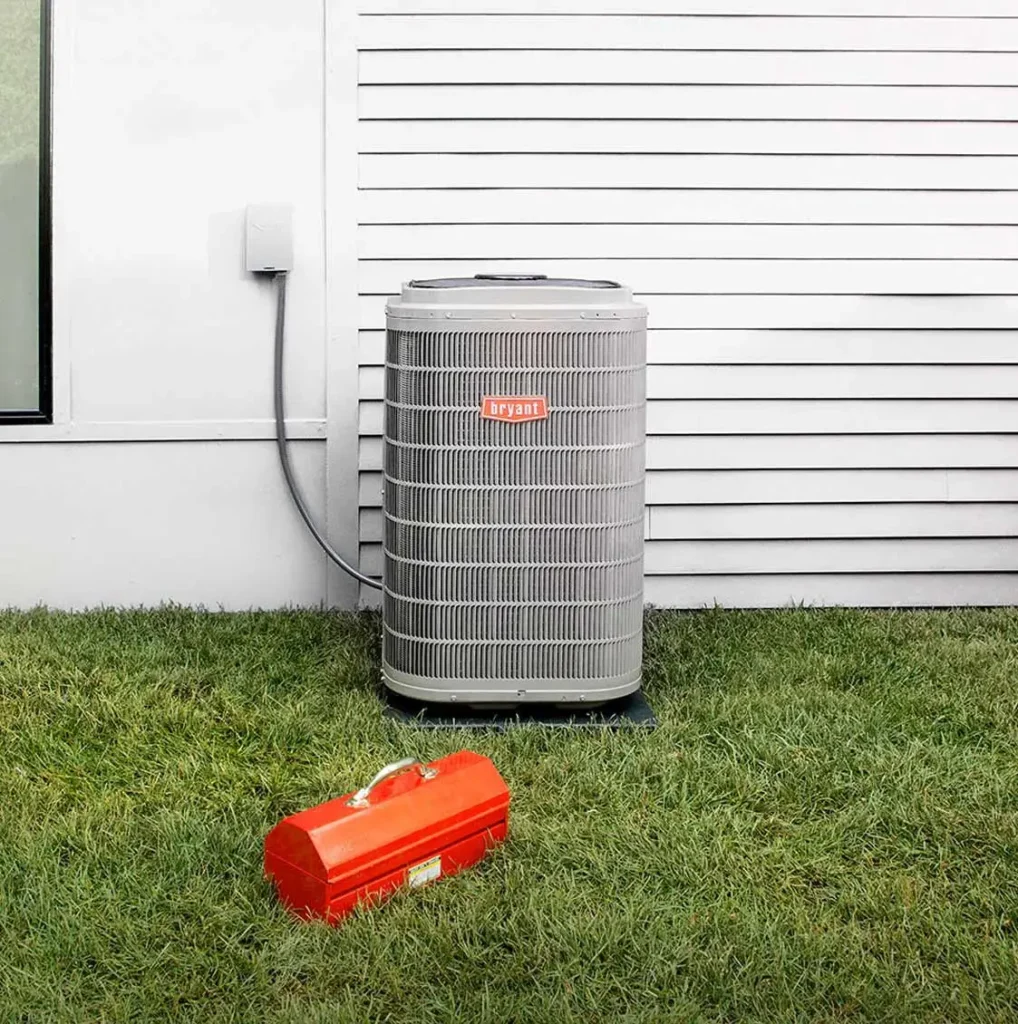
Air-source heat pumps remain the most popular choice for Brier residents, offering excellent performance and straightforward installation. These systems consist of an outdoor unit containing the compressor and condenser, connected to an indoor air handler that distributes conditioned air through existing ductwork. Variable-speed models adjust their output based on heating or cooling demands, maintaining consistent temperatures while minimizing energy consumption. Single-stage and two-stage options provide more affordable alternatives while still delivering substantial efficiency improvements over traditional heating and cooling systems.
Ductless mini-split heat pumps have gained tremendous popularity in older Brier homes lacking central ductwork. These systems connect individual indoor units to a single outdoor compressor, allowing zone-based temperature control without expensive duct installation. Each indoor unit operates independently, letting you heat or cool occupied rooms while saving energy in unused spaces. Ground-source or geothermal heat pumps, though less common due to higher installation costs, offer the ultimate efficiency by exchanging heat with stable underground temperatures. These systems can achieve efficiency ratings exceeding 500% and provide decades of reliable operation with minimal maintenance requirements.
Installation Considerations for Brier Properties
Proper sizing stands as the most critical factor in heat pump installation success. An undersized system will struggle to maintain comfortable temperatures during extreme weather, running constantly and wearing out prematurely. Oversized equipment cycles on and off frequently, creating temperature swings, increasing humidity problems, and reducing overall efficiency. We perform detailed load calculations considering your home’s square footage, insulation levels, window efficiency, and specific architectural features to determine the optimal system capacity.
Electrical infrastructure often requires upgrading when installing heat pumps in older Brier homes. Most systems require 240-volt circuits with appropriate amperage ratings, and homes with outdated electrical panels may need service upgrades to accommodate the additional load. Refrigerant line routing, condensate drainage, and outdoor unit placement all demand careful planning to ensure proper operation and longevity. The outdoor unit needs adequate clearance for airflow and service access while minimizing noise impact on living spaces and neighboring properties. Indoor components require strategic placement to optimize air distribution patterns and integrate seamlessly with existing home systems.
Maintenance Requirements and Long-Term Performance
Regular maintenance ensures heat pumps deliver promised efficiency and comfort throughout their operational lifespan. Filter replacement or cleaning every one to three months prevents airflow restrictions that force systems to work harder, increasing energy consumption and component wear. Outdoor coils require periodic cleaning to remove debris, leaves, and cottonwood seeds common in Brier during spring and summer months. Annual professional inspections allow technicians to check refrigerant levels, test electrical connections, verify thermostat calibration, and identify potential issues before they develop into costly repairs.
- Spring maintenance tasks: Clean outdoor coils, check refrigerant charge, test cooling operation, inspect and clean condensate drains
- Fall preparation steps: Clear debris from outdoor unit, test heating operation, check defrost cycle functionality, verify emergency heat operation
- Year-round monitoring: Listen for unusual noises, watch for ice formation, monitor energy bills for unexpected increases, maintain proper airflow around units
Energy Efficiency and Cost Benefits
Heat pump technology delivers substantial energy savings compared to traditional heating methods prevalent in Brier homes. Electric resistance heating consumes one kilowatt-hour of electricity to produce one kilowatt-hour of heat, while heat pumps typically produce three to four kilowatt-hours of heating using the same electrical input. Natural gas furnaces, though efficient, still lose energy through exhaust gases and cannot match heat pump efficiency in our mild climate. The ability to provide both heating and cooling from a single system eliminates the need for separate furnace and air conditioner purchases, reducing initial investment and ongoing maintenance costs.
Utility incentive programs and federal tax credits make heat pump installations increasingly affordable for Brier homeowners. Many local utilities offer rebates ranging from several hundred to several thousand dollars for qualifying high-efficiency installations. Federal tax credits can cover up to 30% of installation costs for qualifying systems, significantly reducing the net investment required. Combined with monthly energy savings often exceeding 40-50% compared to electric resistance heating, most heat pump installations pay for themselves within five to seven years while providing superior comfort and environmental benefits.
Selecting the Right System for Your Home
Choosing between different heat pump options requires careful consideration of multiple factors specific to your property and comfort preferences. Home layout significantly influences system selection—open floor plans often work well with single-zone systems, while multi-story homes benefit from zoned configurations providing independent temperature control for different areas. Existing ductwork condition affects whether upgrading to a high-efficiency ducted system or transitioning to ductless technology makes more economic sense. Budget constraints must balance initial costs against long-term operational savings and comfort improvements.
All Climate Heating & Air Conditioning specializes in comprehensive HVAC services throughout the Greater Seattle area, helping Brier homeowners navigate these complex decisions. We evaluate your current heating and cooling equipment, analyze energy usage patterns, and recommend solutions aligning with your comfort goals and financial parameters. Our experience serving local homes and businesses since 1993 provides invaluable insight into which systems perform best in our specific climate conditions. We prioritize quality heating, cooling, and home comfort services while keeping Seattle homes and businesses clean, energy efficient, and comfortable, ensuring your heat pump investment delivers maximum value for years to come.