
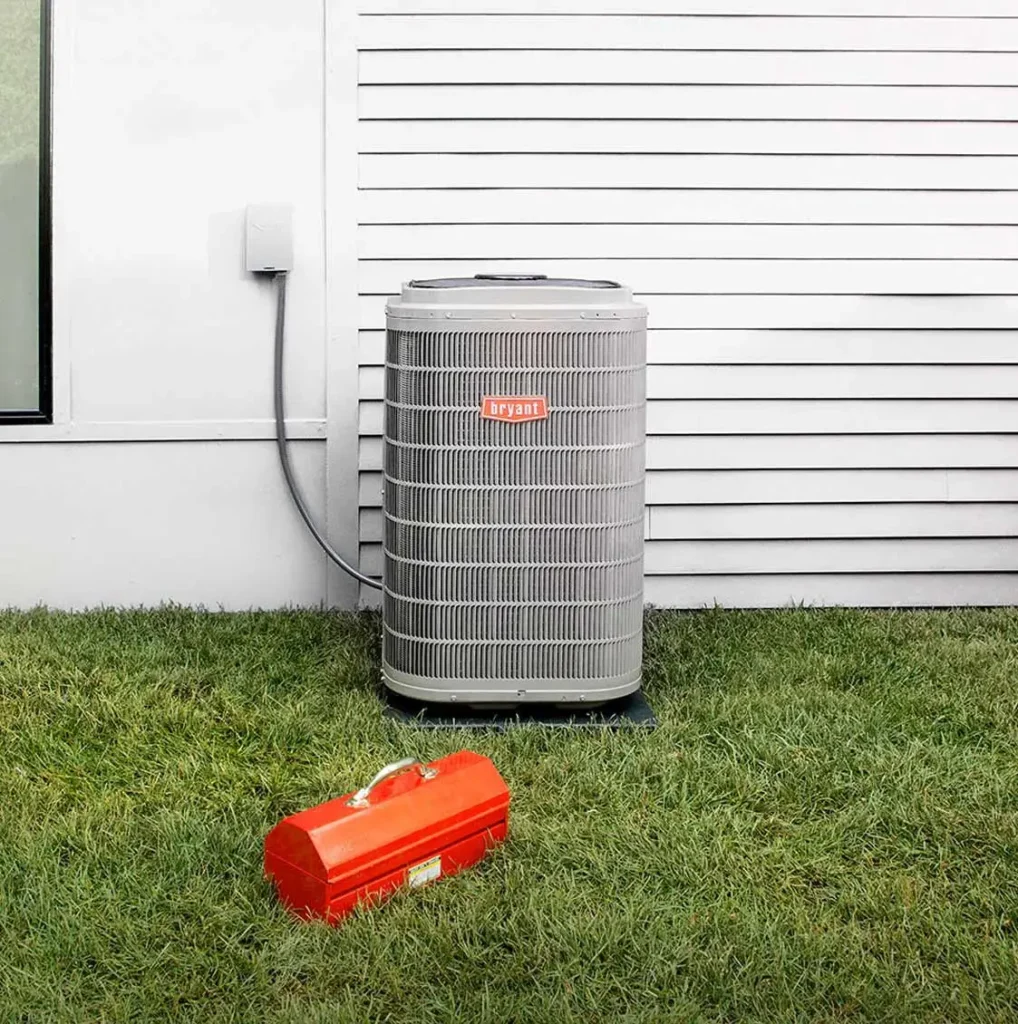
Oil to Gas Conversion Services in Cottage Lake, WA
Converting from oil heating to natural gas represents one of the most significant home improvement decisions homeowners in Cottage Lake can make. This transition offers substantial benefits including reduced heating costs, improved reliability, and decreased environmental impact. All Climate Heating & Air Conditioning has been helping homeowners throughout the Greater Seattle area make this important switch since 1993, bringing expertise and professional installation services to ensure seamless conversions that maximize efficiency and comfort.
The decision to convert from oil to gas heating involves understanding both the immediate advantages and long-term benefits. Natural gas burns cleaner than heating oil, producing approximately 30% less carbon dioxide emissions per unit of energy delivered. Additionally, natural gas prices have remained significantly more stable than oil prices over the past decade, offering homeowners predictable heating costs and protection from volatile oil market fluctuations that can dramatically impact monthly heating bills during Pacific Northwest winters.
Understanding the Conversion Process
The conversion process begins with a comprehensive evaluation of your existing heating system and home infrastructure. Our technicians assess your current oil furnace or boiler, examining its location, ventilation requirements, and the existing ductwork or radiator system. This initial assessment determines whether your current distribution system can be retained or if modifications are necessary to optimize performance with the new gas heating equipment. Most homes in Cottage Lake built before 1990 originally featured oil heating systems, and many retain infrastructure that can be adapted for natural gas conversion.
During the conversion, several critical steps ensure safe and efficient operation of your new heating system. The existing oil tank must be properly decommissioned according to Washington State environmental regulations, which includes draining remaining oil, cleaning the tank, and either removing it entirely or filling it with approved inert material if it’s underground. We coordinate with certified tank decommissioning specialists to ensure full compliance with environmental standards while managing permits required by King County. The gas line installation requires coordination with Puget Sound Energy to establish service to your property, including meter installation and connection to the main gas line running through your neighborhood.
Equipment Selection and Installation Requirements
Selecting appropriate gas heating equipment involves analyzing your home’s specific heating requirements, considering factors such as square footage, insulation quality, window efficiency, and typical usage patterns. Modern gas furnaces achieve efficiency ratings between 80% and 98% AFUE (Annual Fuel Utilization Efficiency), compared to older oil furnaces that typically operate at 60% to 85% efficiency. High-efficiency condensing gas furnaces extract additional heat from exhaust gases, requiring special venting arrangements but delivering exceptional energy savings that can reduce heating costs by 30% to 40% annually.
Installation requirements vary depending on whether you’re converting to a gas furnace or boiler system. Gas furnaces typically require modifications to existing ventilation systems, as they produce different exhaust characteristics than oil-burning equipment. The exhaust temperature from gas furnaces is lower, often allowing for PVC venting instead of traditional metal chimney liners. This change can free up space and provide more flexible installation options. Additionally, gas equipment generally requires less physical space than oil furnaces, allowing for improved utility room organization and potentially freeing up valuable storage area previously occupied by oil tanks.
Cost Considerations and Return on Investment
The investment required for oil to gas conversion typically ranges from $6,000 to $15,000, depending on factors including equipment selection, necessary infrastructure modifications, and tank decommissioning requirements. While this represents a significant upfront investment, the long-term savings and benefits justify the conversion for most Cottage Lake homeowners. Natural gas costs in the Pacific Northwest have averaged 40% to 50% less than heating oil over the past five years, translating to annual savings of $800 to $1,500 for typical residential properties.
Beyond direct fuel cost savings, converting to gas heating eliminates several ongoing expenses associated with oil systems. Oil heating requires annual tank inspections, regular filter replacements, and periodic tank cleaning or replacement. Oil delivery scheduling becomes unnecessary, eliminating the risk of running out of fuel during cold weather. Insurance premiums often decrease after removing oil tanks, as insurers recognize the reduced risk of environmental contamination. Many homeowners also find that gas heating systems require less frequent maintenance, reducing annual service costs while improving system reliability.
Environmental and Comfort Benefits
Natural gas heating systems provide consistent, even heat distribution throughout your home, eliminating the temperature fluctuations sometimes experienced with oil systems. Gas furnaces reach operating temperature faster, providing quick response to thermostat adjustments and maintaining more precise temperature control. This improved responsiveness enhances comfort while reducing energy waste from overshooting temperature setpoints.
The environmental advantages extend beyond reduced carbon emissions. Natural gas combustion produces virtually no sulfur dioxide and significantly less nitrogen oxide compared to heating oil. These reductions contribute to improved local air quality and reduced acid rain formation. Additionally, natural gas delivery through underground pipelines eliminates the environmental risks associated with oil truck deliveries and potential tank leaks that can contaminate soil and groundwater.
Local Considerations for Cottage Lake Residents
Cottage Lake’s proximity to natural areas and watersheds makes environmental considerations particularly important for local homeowners. King County regulations emphasize protecting water quality, and removing aging oil tanks eliminates potential contamination risks. The area’s mix of established neighborhoods and newer developments means gas line availability varies by location, though Puget Sound Energy continues expanding service throughout the region.
Our experience serving homes from Redmond to Mountlake Terrace, and from Kirkland to Edmonds, provides valuable insight into local conversion challenges and opportunities. Cottage Lake’s diverse housing stock, ranging from mid-century homes to modern construction, requires customized approaches to ensure optimal system performance. We coordinate all necessary permits and inspections, working with local authorities to ensure code compliance while minimizing disruption to your daily routine.
Converting from oil to gas heating represents a strategic investment in your home’s comfort, efficiency, and value. All Climate Heating & Air Conditioning combines decades of experience with comprehensive HVAC installation expertise to deliver conversions that meet your specific needs while maximizing long-term benefits. Our commitment to keeping Seattle homes and businesses clean, energy efficient, and comfortable drives our approach to every conversion project, ensuring you receive a heating solution that delivers reliable performance for years to come.