
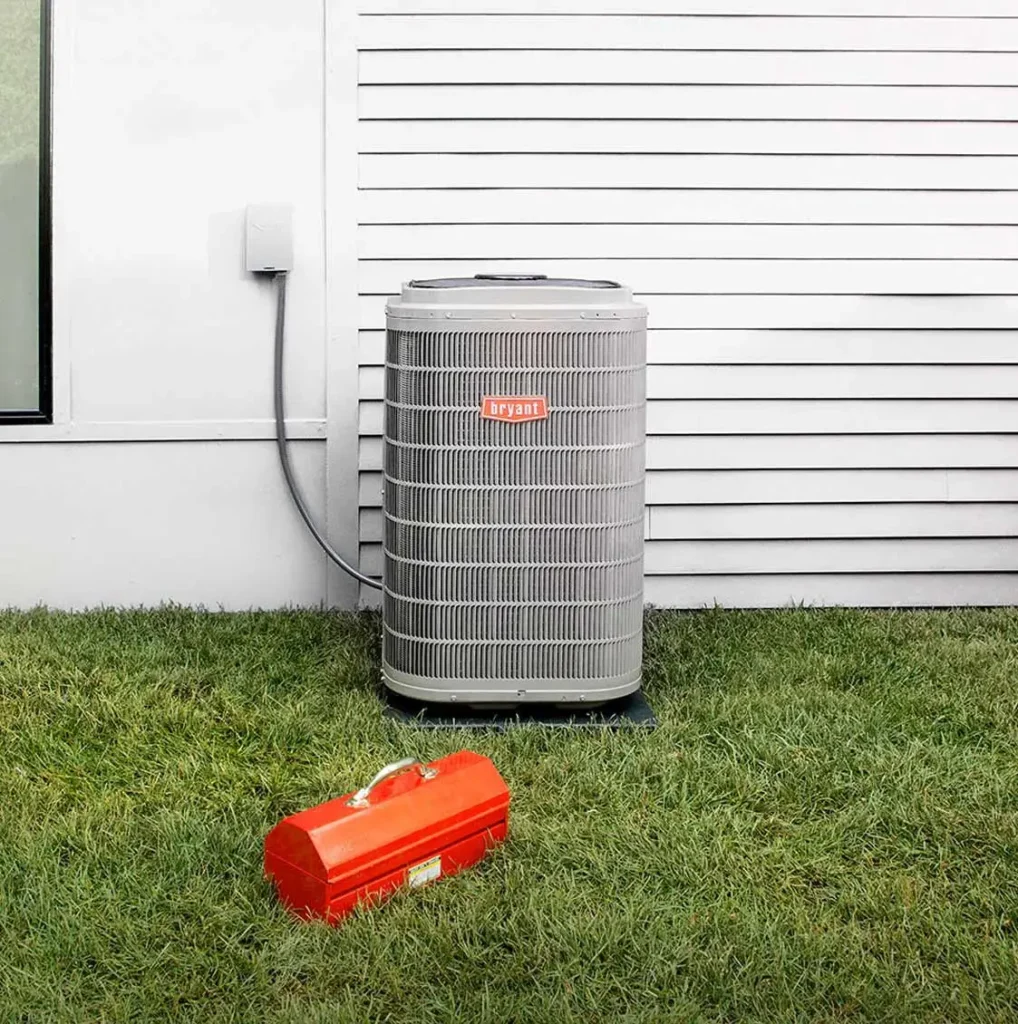
Oil to Gas Conversion in Kenmore, WA
Converting from oil heating to natural gas represents one of the most significant home improvement decisions homeowners in Kenmore face today. At All Climate Heating & Air Conditioning, we specialize in seamless oil to gas conversions that modernize your home’s heating system while reducing long-term energy costs. The conversion process involves replacing your existing oil furnace with a high-efficiency natural gas unit, eliminating the oil tank, and connecting to the existing natural gas infrastructure that runs throughout most Kenmore neighborhoods.
The economic advantages of switching from oil to natural gas have become increasingly apparent over recent years. Natural gas prices have remained relatively stable compared to the volatile oil market, which has seen dramatic price swings affecting homeowners’ monthly heating budgets. In the Pacific Northwest, natural gas typically costs 30 to 50 percent less than heating oil per BTU of heat generated, translating to substantial annual savings for the average household. Additionally, natural gas furnaces operate at higher efficiency ratings, often achieving 95 to 98 percent AFUE ratings compared to older oil systems that may operate at 80 percent efficiency or lower.
The Conversion Process and Timeline
The oil to gas conversion process begins with a comprehensive assessment of your current heating system and home infrastructure. Our technicians evaluate your existing ductwork, electrical connections, and the optimal location for the new gas furnace installation. We coordinate with Puget Sound Energy to ensure gas service availability at your property and handle all necessary permit applications with King County authorities. The physical conversion typically takes two to three days, though timeline variations depend on factors such as accessibility, existing infrastructure condition, and whether additional modifications are needed.
During the conversion, we remove the old oil furnace and carefully decommission the oil tank according to Washington State environmental regulations. Oil tank removal requires special attention to prevent soil contamination, and we work with certified environmental contractors when underground tank removal is necessary. The new gas furnace installation includes updating the venting system to accommodate the different exhaust requirements of natural gas combustion, installing new gas piping from the meter to the furnace location, and integrating the system with your existing thermostat or upgrading to a programmable model for enhanced efficiency control.
Environmental Benefits and Home Value Impact
Natural gas conversions significantly reduce your home’s carbon footprint compared to oil heating systems. Natural gas burns cleaner than heating oil, producing approximately 30 percent less carbon dioxide per unit of energy delivered. This reduction in emissions contributes to improved air quality in the Kenmore area and aligns with Washington State’s aggressive climate action goals. Furthermore, natural gas combustion produces virtually no particulate matter, eliminating the soot and residue commonly associated with oil furnaces that can affect indoor air quality and require frequent cleaning.
The impact on property values following an oil to gas conversion often surprises homeowners. Real estate professionals throughout the Greater Seattle area consistently report that homes with natural gas heating systems command higher prices and sell faster than comparable properties with oil heat. Potential buyers view natural gas as a modern, convenient heating solution that eliminates concerns about oil deliveries, tank maintenance, and the environmental liability of aging underground oil tanks. Since 1993, All Climate Heating & Air Conditioning has helped countless homeowners modernize their heating systems, contributing to both immediate comfort improvements and long-term property value enhancement.
Technical Specifications and Equipment Selection
Selecting the appropriate gas furnace for your Kenmore home requires careful consideration of multiple factors beyond simple BTU calculations. We evaluate your home’s insulation levels, window efficiency, square footage, and ceiling heights to determine the optimal furnace capacity. Oversizing leads to short cycling and reduced efficiency, while undersizing results in inadequate heating during cold snaps. Modern gas furnaces offer variable-speed blowers and modulating gas valves that adjust output based on heating demand, providing superior comfort and efficiency compared to single-stage oil furnaces.
- High-efficiency condensing furnaces: These units extract additional heat from exhaust gases, achieving efficiency ratings above 90 percent
- Two-stage and modulating furnaces: These provide better temperature control and quieter operation than traditional single-stage models
- Advanced filtration systems: Modern gas furnaces accommodate high-efficiency filters that improve indoor air quality
- Smart thermostat compatibility: New installations work seamlessly with WiFi-enabled thermostats for remote control and energy monitoring
Financial Incentives and Cost Considerations
The investment in oil to gas conversion typically ranges from $6,000 to $12,000, depending on system complexity and necessary infrastructure modifications. However, numerous financial incentives help offset these initial costs. Puget Sound Energy offers rebates for high-efficiency gas furnace installations, potentially providing hundreds of dollars in immediate savings. Federal tax credits for energy-efficient home improvements may also apply, particularly when installing furnaces that meet Energy Star certification requirements.
Long-term savings calculations demonstrate the financial wisdom of conversion for most Kenmore homeowners. With average annual heating oil costs exceeding $3,000 for many households, the switch to natural gas often results in annual savings of $1,000 to $1,500. These savings mean the conversion investment typically pays for itself within five to eight years, after which homeowners enjoy continued reduced heating costs. Additionally, eliminating oil tank insurance riders and tank maintenance expenses provides further financial relief.
Maintenance and Reliability Advantages
Natural gas heating systems require significantly less maintenance than oil furnaces, reducing both inconvenience and ongoing service costs. Oil systems need annual tune-ups including nozzle replacement, filter changes, and combustion chamber cleaning to maintain efficiency and prevent breakdowns. Gas furnaces, conversely, require minimal maintenance beyond regular filter replacement and occasional professional inspections. We provide comprehensive maintenance services throughout Kenmore, Kirkland, Bellevue, and surrounding communities, ensuring your new gas heating system operates at peak efficiency year after year.
The reliability advantage of natural gas becomes particularly apparent during severe weather events. While oil-heated homes depend on truck deliveries that weather conditions can delay, natural gas flows continuously through underground pipelines. This uninterrupted fuel supply eliminates the anxiety of monitoring tank levels and scheduling deliveries, providing peace of mind during extended cold periods when heating demand peaks. Our experience serving Greater Seattle area homes and businesses demonstrates that gas furnaces typically experience fewer emergency breakdowns than oil systems, particularly as equipment ages beyond ten years.