
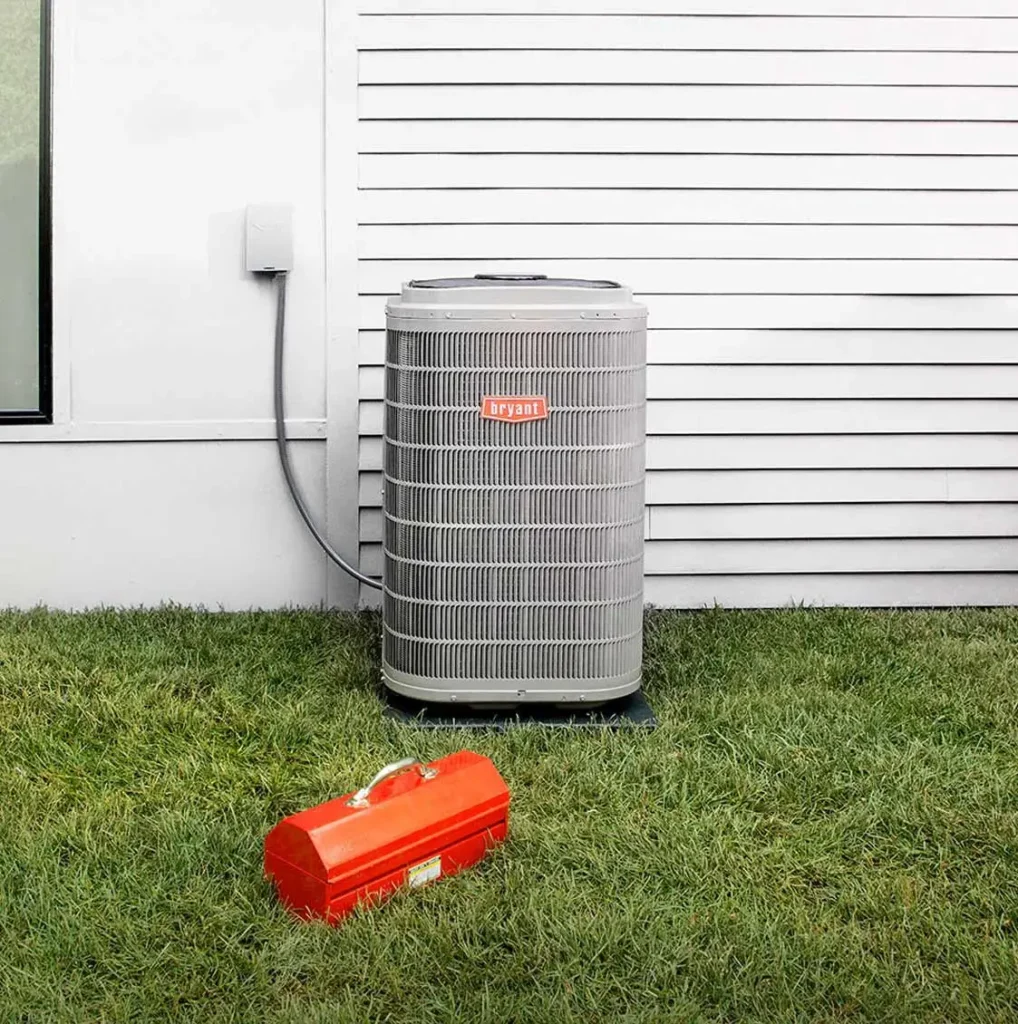
Understanding Oil to Gas Conversion in Redmond, WA
Converting from oil to gas heating represents one of the most significant home efficiency upgrades available to homeowners throughout Redmond, Kirkland, Bellevue, and the surrounding communities. At All Climate Heating & Air Conditioning, we specialize in seamless oil to gas conversions that modernize your heating system while reducing long-term operational costs. The process involves replacing your existing oil-burning furnace with a high-efficiency natural gas system, connecting to available gas lines, and properly decommissioning your oil tank according to Washington state environmental regulations.
The decision to convert from oil to gas heating often comes down to economics and convenience. Natural gas prices in the Pacific Northwest have remained consistently lower than heating oil over the past decade, with homeowners typically saving between 25% to 40% on their annual heating costs after conversion. Additionally, natural gas eliminates the need for scheduled oil deliveries, tank maintenance, and the worry of running out of fuel during cold winter months. Since 1993, we have helped countless homeowners make this transition, understanding that each property presents unique challenges and opportunities for improving home comfort and efficiency.
The Technical Process of Converting Your Heating System
The conversion process begins with a comprehensive assessment of your existing heating infrastructure and the availability of natural gas service to your property. We coordinate with Puget Sound Energy to verify gas line accessibility and determine the optimal connection point for your home. If gas service runs along your street but isn’t connected to your property, we handle the necessary permits and coordinate the installation of a new gas meter and service line. This initial phase typically involves trenching from the street to your home, installing appropriate shut-off valves, and ensuring all connections meet current building codes.
Inside your home, the conversion requires careful planning and execution. We remove the existing oil furnace and install a new high-efficiency gas furnace, which often includes upgrading the venting system to accommodate the different combustion characteristics of natural gas. Modern gas furnaces achieve efficiency ratings of 95% or higher, meaning nearly all the fuel’s energy converts to usable heat. The installation includes connecting the furnace to your existing ductwork, integrating new safety controls, and calibrating the system for optimal performance. We also install carbon monoxide detectors as an additional safety measure, ensuring your family’s protection throughout the heating season.
Oil Tank Decommissioning and Environmental Considerations
Proper oil tank decommissioning represents a critical component of the conversion process, particularly given Washington state’s strict environmental regulations. Underground oil tanks require special attention due to potential soil contamination risks. We work with certified environmental contractors to either remove or properly abandon tanks in place, depending on accessibility and local regulations. The process involves pumping out remaining oil, cleaning the tank interior, and either filling it with approved inert material or completely removing it from the property.
Environmental responsibility extends beyond tank management. Natural gas burns significantly cleaner than heating oil, producing approximately 30% less carbon dioxide per unit of heat generated. This reduction in greenhouse gas emissions aligns with Washington state’s environmental goals and may qualify homeowners for various green energy incentives. Throughout Mountlake Terrace, Lynnwood, and Edmonds, municipalities increasingly encourage these conversions as part of broader sustainability initiatives, recognizing the cumulative impact of residential heating choices on regional air quality.
Cost Analysis and Return on Investment
The initial investment for oil to gas conversion typically ranges from $8,000 to $15,000, depending on factors such as gas line availability, tank removal complexity, and the efficiency level of the new equipment selected. We provide detailed cost breakdowns that include:
- Equipment costs for the new gas furnace and associated components
- Labor expenses for installation and system commissioning
- Permit fees required by local building departments
- Gas line connection charges from the utility company
- Tank decommissioning costs based on removal or abandonment requirements
Despite the upfront investment, most homeowners achieve payback within five to seven years through reduced fuel costs and increased home value. Real estate professionals consistently report that homes with gas heating sell faster and command higher prices than comparable properties with oil heat. Additionally, gas furnaces typically require less maintenance than oil systems, eliminating annual tune-ups that include nozzle replacement, filter changes, and combustion chamber cleaning that oil furnaces demand.
Integration with Modern HVAC Systems
Converting to gas heating opens opportunities for comprehensive HVAC upgrades that improve year-round comfort. We often recommend pairing the new gas furnace with a high-efficiency air conditioning system, creating an integrated comfort solution managed by a single programmable or smart thermostat. This integration streamlines operation and maintenance while maximizing energy efficiency across all seasons. Having served Greater Seattle area homes and businesses since 1993, we understand the importance of designing systems that handle our region’s unique climate patterns, from humid winters to increasingly warm summers.
Modern gas furnaces also integrate seamlessly with advanced air quality solutions, including whole-house humidifiers, air purifiers, and ventilation systems. These additions address common comfort complaints while maintaining the energy efficiency gains achieved through conversion. Variable-speed blower motors in newer gas furnaces provide consistent airflow for improved temperature distribution and enhanced filtration effectiveness, creating healthier indoor environments for families throughout the Puget Sound region.
Planning Your Conversion Timeline
Timing your oil to gas conversion requires strategic planning to minimize disruption and maximize savings. We typically recommend scheduling conversions during spring or early fall when heating demands are minimal, allowing for a smooth transition without compromising comfort. The complete process, from initial consultation through final inspection, generally takes two to three weeks, though gas line installation by the utility company may extend this timeline.
Preparation steps include scheduling the gas utility connection, obtaining necessary permits, arranging oil tank pumping, and coordinating any required electrical work. We handle permit applications with local building departments across our service area, ensuring compliance with specific requirements in each municipality. Our experience providing quality heating, cooling, and home comfort services means we anticipate potential challenges and plan accordingly, keeping your project on schedule while maintaining our commitment to keeping Seattle homes and businesses clean, energy efficient, and comfortable throughout the conversion process.