
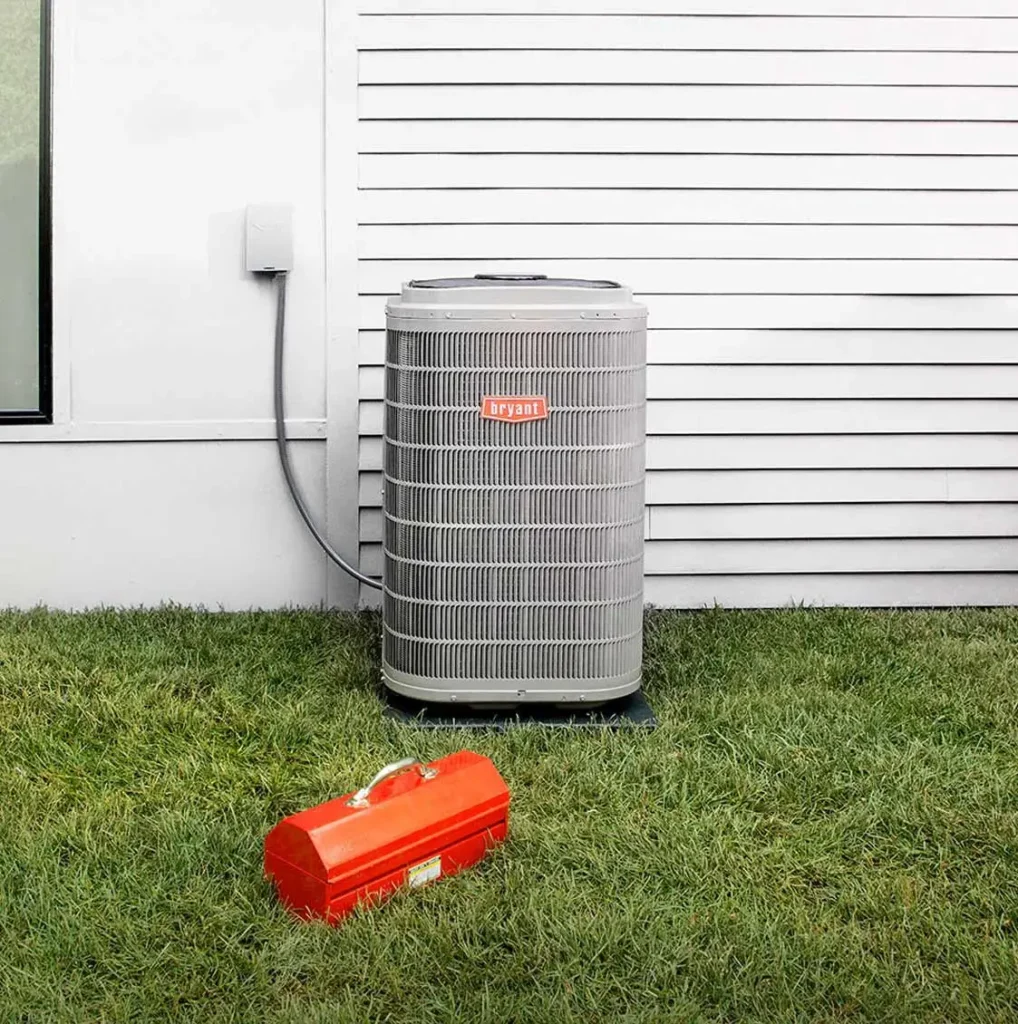
Year-Round HVAC Maintenance: The Seattle Homeowner’s Monthly Guide
Living in the Pacific Northwest presents unique challenges for maintaining comfortable indoor temperatures throughout the year. From the damp, chilly winters to increasingly warm summers, your heating and cooling systems work hard to keep your home comfortable. We’ve developed this comprehensive monthly guide to help Seattle homeowners maintain their HVAC systems efficiently throughout the year, ensuring optimal performance and extending equipment lifespan.
Understanding the importance of regular maintenance becomes clear when considering that properly maintained systems can operate up to 25% more efficiently than neglected units. This translates directly into lower energy bills and fewer unexpected breakdowns. Since 1993, we’ve helped homeowners across Redmond, Bellevue, Kirkland, and surrounding communities develop maintenance routines that work with Seattle’s distinctive climate patterns.
Winter Months: December Through February
During Seattle’s wettest season, your heating system bears the heaviest load. December maintenance should focus on inspecting and replacing furnace filters, which often clog faster due to increased indoor time and holiday cooking. Check your thermostat batteries and ensure proper calibration by comparing readings with a separate thermometer. Indoor humidity levels deserve special attention during these months, as Seattle’s average winter humidity hovers around 75%, potentially causing condensation issues within your home.
January brings the coldest temperatures, making it crucial to monitor your heating system’s cycling patterns. If your furnace runs constantly or cycles on and off too frequently, it may indicate efficiency problems. Clear snow and debris from outdoor heat pump units, maintaining at least two feet of clearance. February marks an ideal time for scheduling professional maintenance before the spring transition, allowing technicians to address any issues that developed during peak heating season.
Spring Transition: March Through May
March signals the beginning of Seattle’s transition period, where temperatures fluctuate significantly between day and night. This is when we recommend switching your ceiling fans to rotate counterclockwise, helping distribute warm air more efficiently. Inspect and clean air vents throughout your home, removing dust accumulation that builds up over winter. Consider having your ductwork professionally inspected, as the Environmental Protection Agency reports that typical homes lose 20-30% of conditioned air through duct leaks.
April’s milder weather provides perfect conditions for comprehensive system checks. Test both heating and cooling functions, ensuring smooth transitions between modes. Clean or replace air filters, and inspect outdoor AC units for winter damage. May preparation includes trimming vegetation around outdoor units, cleaning condenser coils, and checking refrigerant lines for proper insulation. These steps prepare your system for increased cooling demands while maintaining energy efficiency throughout your Lynnwood or Edmonds home.
Summer Cooling: June Through August
June maintenance focuses on optimizing cooling efficiency as temperatures rise.
- Clean evaporator coils to remove accumulated dust and improve heat transfer
- Check condensate drains for clogs that could cause water damage or system shutdowns
- Verify refrigerant levels through professional inspection to ensure optimal cooling capacity
July typically brings Seattle’s warmest weather, requiring diligent attention to your AC system’s performance. Monitor energy consumption patterns and adjust thermostat programming to balance comfort with efficiency. August maintenance should include inspecting electrical connections, lubricating moving parts, and testing system controls to prevent late-season failures.
Fall Preparation: September Through November
September marks another crucial transition period in Mountlake Terrace and throughout the Greater Seattle area. Begin by servicing your heating system before the first cold snap.
- Schedule professional furnace inspection to identify potential issues before heating season
- Test carbon monoxide detectors and replace batteries to ensure family safety
- Seal air leaks around windows and doors to improve heating efficiency
October maintenance includes cleaning gutters to prevent ice dams that could affect your home’s insulation and heating efficiency. Inspect and clean chimney flues if you have supplemental heating sources. November preparations should focus on winterizing outdoor AC units, checking insulation levels in attics and crawl spaces, and ensuring proper ventilation to prevent moisture buildup during Seattle’s rainy season.
Energy Efficiency and Cost Savings
Regular maintenance directly impacts your energy bills and system longevity. According to ENERGY STAR, proper maintenance can reduce heating and cooling costs by up to 30%. Simple tasks like replacing filters monthly during peak usage seasons can improve efficiency by 5-15%. Professional annual tune-ups typically pay for themselves through improved efficiency and prevented breakdowns, particularly important given that emergency repairs often cost three to four times more than preventive maintenance.
Implementing this monthly maintenance schedule helps ensure your HVAC system operates efficiently year-round, providing reliable comfort while minimizing energy costs. By staying proactive with maintenance, Seattle homeowners can extend their system’s lifespan from the typical 10-15 years to 20 years or more, maximizing their investment while maintaining optimal home comfort throughout our unique Pacific Northwest climate.