
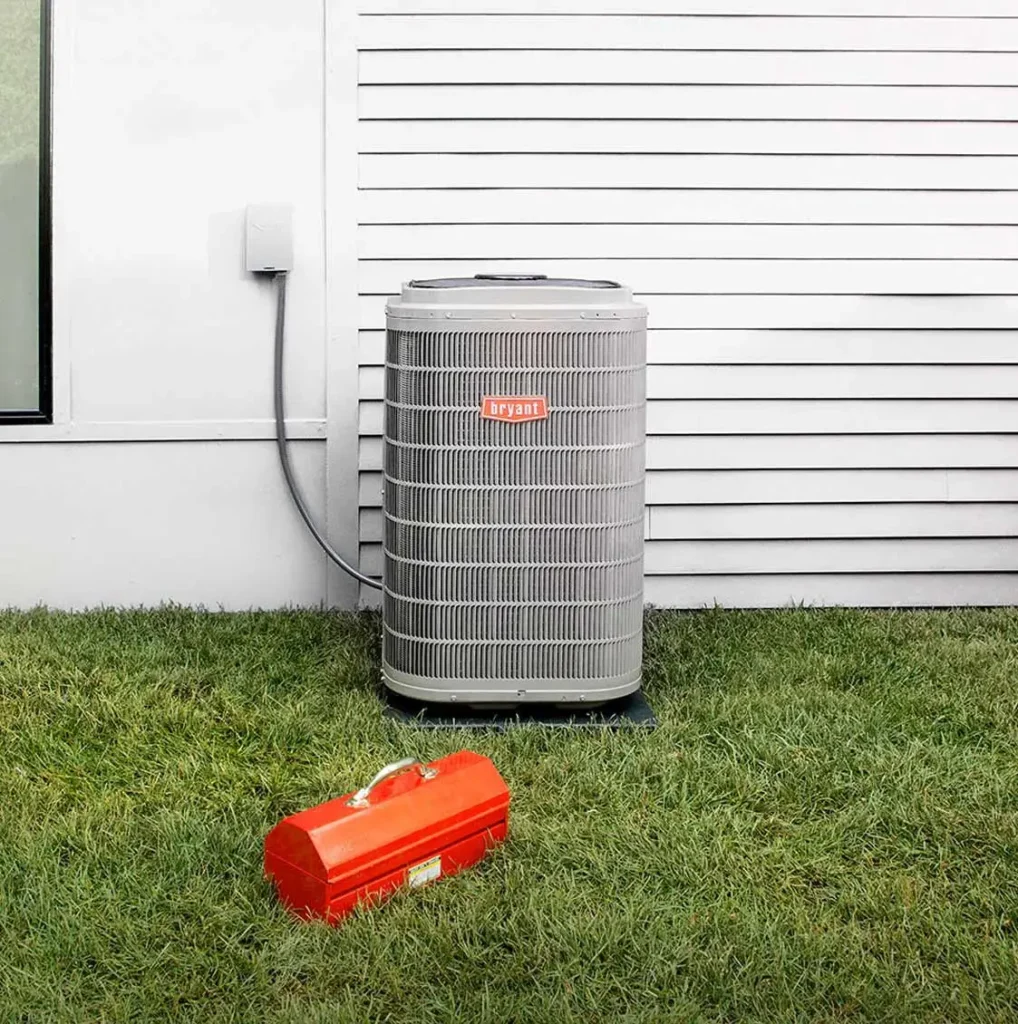
Understanding Heat Replacement Needs in Brier, WA
When your heating system begins showing signs of failure during the cold Pacific Northwest winters, immediate attention becomes crucial for maintaining comfort and safety in your home. At All Climate Heating & Air Conditioning, we understand that heat replacement in Brier requires careful consideration of multiple factors including system age, efficiency ratings, repair frequency, and overall performance degradation. Our extensive experience serving the Greater Seattle area since 1993 has shown us that homeowners often wait too long before considering replacement, leading to unexpected breakdowns during critical heating seasons when temperatures drop below freezing.
The decision to replace your heating system involves evaluating whether continued repairs make economic sense compared to investing in new, energy-efficient technology. Modern heating systems offer substantial improvements in efficiency ratings, with many achieving Annual Fuel Utilization Efficiency (AFUE) ratings of 95% or higher, compared to older systems that may operate at 60-70% efficiency. This dramatic difference translates directly into lower monthly heating bills and reduced environmental impact, making replacement an investment that pays dividends over time through decreased operational costs and improved home comfort.
Signs Your Heating System Requires Replacement
Recognizing when heat replacement becomes necessary involves monitoring several key indicators that signal declining system performance and reliability. Age remains one of the most significant factors, as heating systems typically maintain optimal performance for 15-20 years before efficiency begins declining substantially. If your system approaches or exceeds this age range while requiring frequent repairs, replacement often becomes more cost-effective than continuing maintenance on aging equipment. We frequently encounter situations where homeowners spend hundreds or thousands of dollars annually on repairs for systems that should have been replaced, ultimately costing more than new installation would have required.
Rising energy bills despite consistent usage patterns indicate declining system efficiency that wastes energy and increases operational costs unnecessarily. When heating systems lose efficiency, they work harder and longer to maintain desired temperatures, consuming more fuel or electricity while providing less effective heating. Additionally, uneven heating throughout your home, strange noises during operation, frequent cycling on and off, and persistent indoor air quality issues all suggest that your current system no longer meets your home’s heating demands effectively.
Available Heating System Options for Brier Homes
Modern heating technology offers numerous options suited to different home configurations, budget considerations, and efficiency goals. Forced air furnaces remain popular choices, providing rapid, consistent heating through ductwork systems while offering compatibility with central air conditioning for year-round climate control. High-efficiency gas furnaces utilize condensing technology to extract maximum heat from combustion gases, achieving efficiency ratings exceeding 98% while reducing greenhouse gas emissions significantly compared to older models.
Heat pump systems have gained tremendous popularity in the Pacific Northwest climate, offering both heating and cooling capabilities within single units while operating at efficiency levels reaching 300-400% through heat transfer rather than generation. These systems work exceptionally well in Brier’s moderate climate, extracting heat from outdoor air even during cold weather while reversing operation during summer months for efficient cooling. Ductless mini-split systems provide zoned heating solutions perfect for homes without existing ductwork or additions where extending ducts proves impractical, offering individual room control and exceptional efficiency through inverter technology that adjusts output based on demand.
Professional Installation Process and Timeline
Professional heat replacement requires meticulous planning and execution to ensure optimal system performance, efficiency, and longevity. Our installation process begins with comprehensive load calculations determining exact heating requirements based on home size, insulation levels, window efficiency, and other factors affecting heat loss. This scientific approach ensures proper system sizing, as oversized units cycle frequently while undersized systems run continuously, both scenarios reducing efficiency and comfort while increasing wear.
Installation typically requires one to three days depending on system complexity and necessary modifications to existing infrastructure. We coordinate all aspects including permit acquisition, old system removal, new equipment positioning, ductwork modifications when necessary, electrical connections, gas line adjustments, thermostat installation, and comprehensive testing ensuring proper operation. Our technicians maintain clean work areas throughout installation, protecting flooring and furnishings while minimizing disruption to daily routines.
Energy Efficiency Benefits and Cost Savings
Upgrading to modern high-efficiency heating systems delivers immediate and long-term financial benefits through reduced energy consumption and operational costs. Current Energy Star certified systems consume 15-30% less energy than standard models, translating to substantial savings on monthly utility bills throughout heating seasons. With natural gas and electricity costs continuing to rise, these efficiency improvements become increasingly valuable, often allowing new systems to pay for themselves through energy savings within seven to ten years.
Beyond direct energy savings, new heating systems qualify for various rebates, tax credits, and utility incentive programs designed to encourage energy-efficient upgrades. Federal tax credits cover portions of equipment and installation costs for qualifying high-efficiency systems, while local utility companies offer rebates for replacing older, inefficient equipment. All Climate Heating & Air Conditioning assists customers in identifying and applying for available incentives, maximizing return on investment while supporting regional energy conservation efforts that benefit entire communities.
Key Considerations When Selecting Your New Heating System
Selecting appropriate heating replacement requires evaluating multiple factors beyond initial purchase price to ensure long-term satisfaction and value. Consider these essential elements when making your decision:
- System efficiency ratings: Higher AFUE or HSPF ratings indicate better efficiency but typically involve higher upfront costs offset by lower operational expenses
- Fuel type availability: Natural gas, propane, electricity, and oil each offer distinct advantages depending on local availability and pricing structures
- Home compatibility: Existing ductwork condition, electrical capacity, and space constraints influence system selection and installation requirements
- Warranty coverage: Comprehensive warranties protect your investment while quality installations reduce likelihood of premature failures
- Smart technology integration: Programmable and Wi-Fi enabled thermostats optimize comfort while minimizing energy waste through intelligent scheduling
Maintaining Your New Heating Investment
Protecting your heating system investment requires consistent maintenance ensuring optimal performance throughout its operational lifespan. Regular professional maintenance identifies minor issues before they develop into major problems, preserving efficiency while preventing unexpected breakdowns during peak heating seasons. We provide quality heating, cooling, and home comfort services, while also keeping Seattle homes and businesses clean, energy efficient, and comfortable through comprehensive maintenance programs tailored to specific system requirements.
Annual professional inspections include thorough cleaning, component testing, safety verification, and performance optimization maintaining manufacturer warranty requirements while extending equipment life. Simple homeowner maintenance tasks like regular filter changes, keeping vents unobstructed, and monitoring thermostat operation contribute significantly to system reliability and efficiency. Our maintenance agreements provide priority service, discounted repairs, and peace of mind knowing your heating system receives professional attention preventing costly emergency situations during critical weather conditions when reliable heating becomes essential for family comfort and safety.